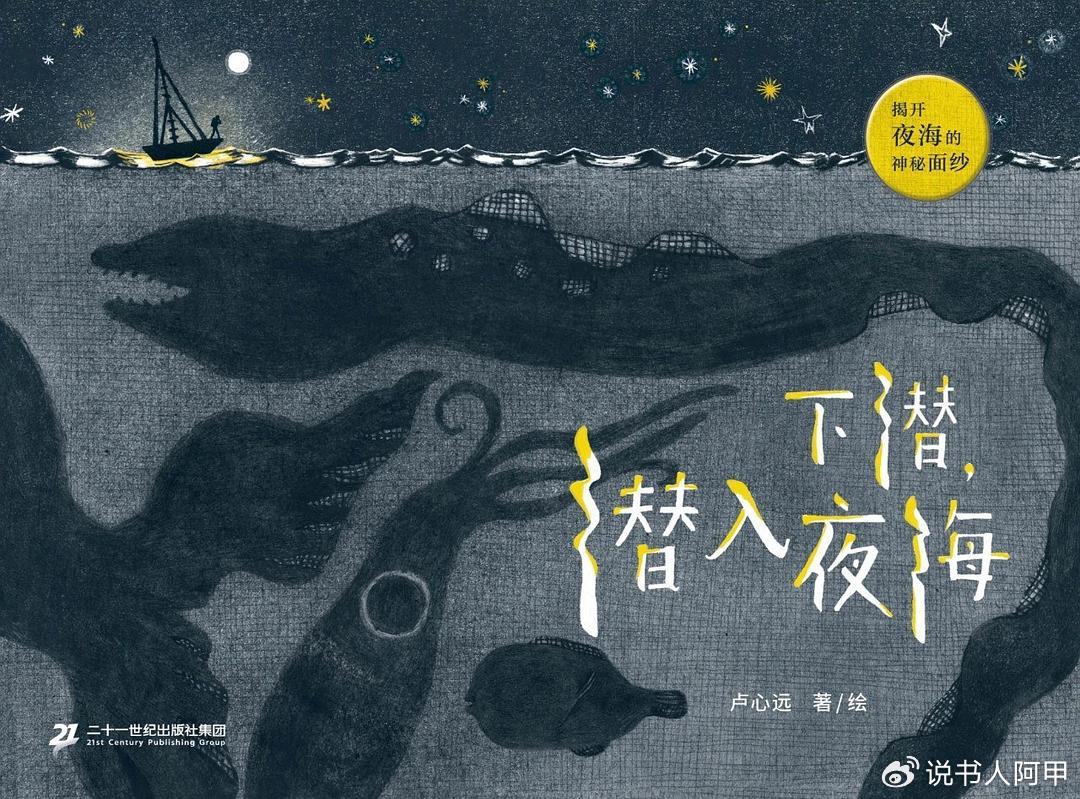
Holding this uniquely bound and colorful book in my hands, *Dive Down, Dive into the Night Sea*, is the third self-written and illustrated work by young illustrator Lu Xinyuan published in the Chinese-speaking world. Her other two books—*Here and There* and *The Insect Artist*—were published in 2024. The English version of *Here and There* won the 2024 *New York Times*/New York Public Library’s Best Illustrated Children’s Book of the Year award, and both books have received numerous accolades in China. During the various awards selections in 2024, I couldn’t help but half-jokingly “complain” to my friends that this artist releasing two such rare masterpieces in one year was a bit of a challenge for the judges—which one should they choose?
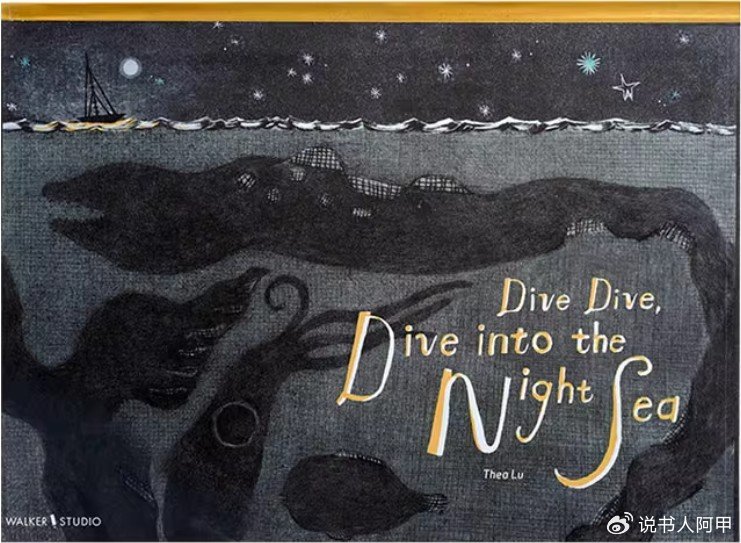
This book, *Dive, Dive into the Night Sea*, was actually Lu Xinyuan’s debut work, completed during her master’s thesis project in the UK. The English version (Dive, Dive into the Night Sea) was also published in 2024 by Walker Publishing (the same company that published *Guess How Much I Love You*), and was selected for…Longlist for the 2025 Carnegie Illustration AwardsInternational critics have given this book high praise, describing its “ingenious structure that sparks the reader’s curiosity, and its use of muted grays and deep blues to create an irresistible atmosphere of mystery during a nighttime dive”; others have lauded it as “an escape pod to an incredible world—a story within a story that inspires wonder and inspiration. A book of magic, a special book, a book for everyone, for every place.” These accolades highlight Lu Xinyuan’s creativity and profound potential in the field of picture books.
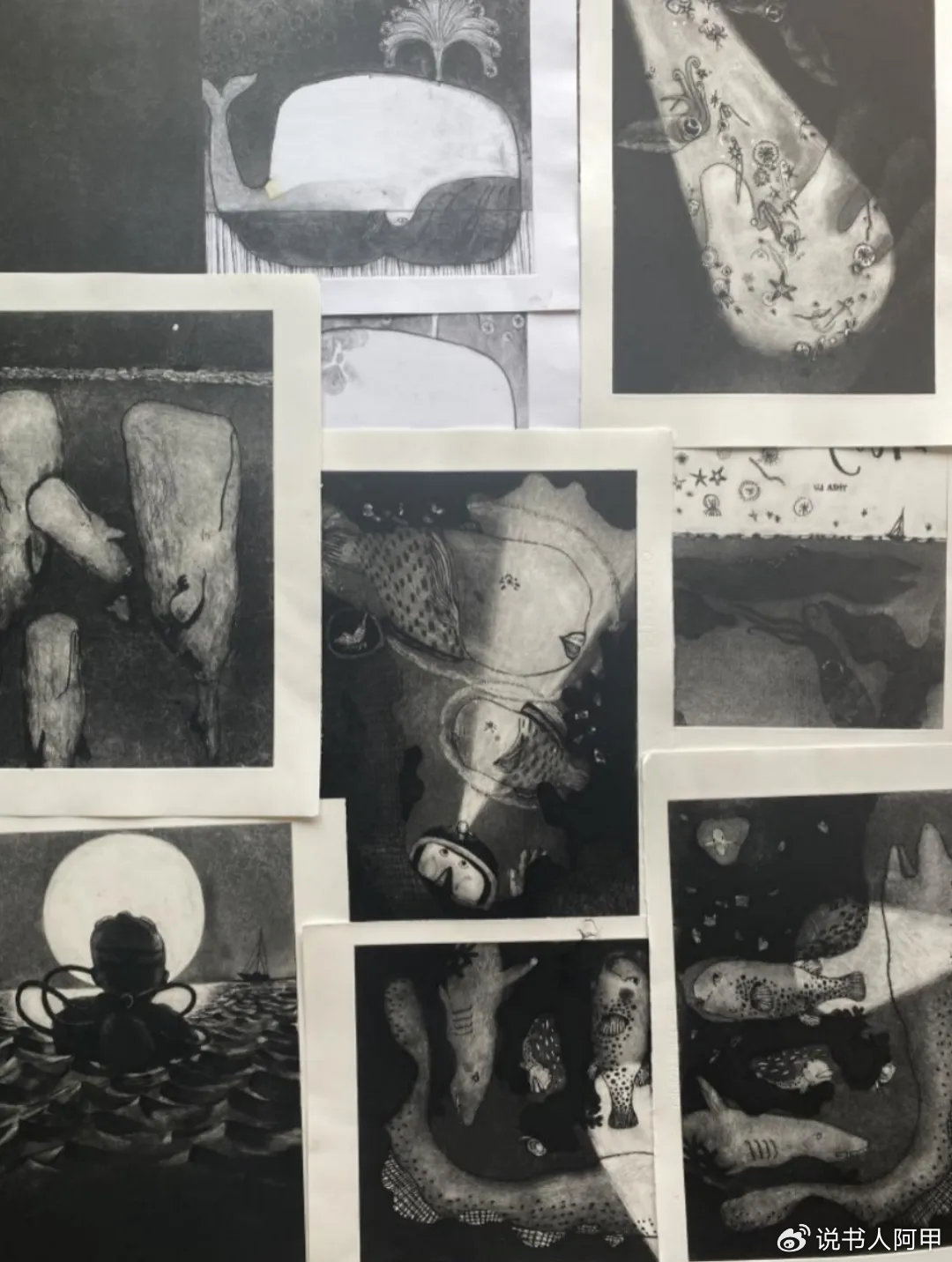
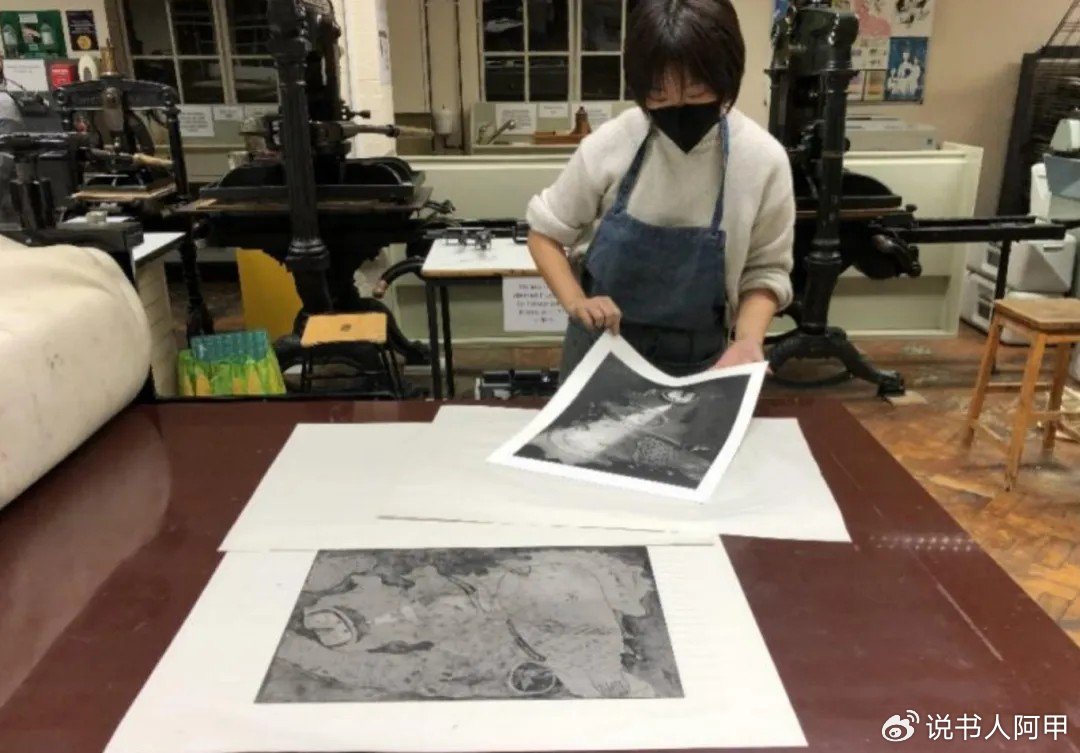
Lu XinyuanThe origins of this book were detailed in his blog.(https://titantable.substack.com/p/c2b).Her inspiration came from her own real-life night diving experience, and coincidentally, she had just begun to explore and study drypoint printing. “The memory of my recent night dive was still fresh, and I felt that drypoint printing was perfect for depicting the rough texture of the ocean filled with plankton at night.” However, when she excitedly completed a set of drypoint prints depicting the night ocean, ready to submit it as her graduation project, her advisor told her that it needed to be made into an entire book! This might have initially been an unexpected challenge, but after preparing a wealth of materials and pondering it repeatedly for many days, the title and the central sentence seemed to automatically spring to mind:“Dive, dive, dive into the night sea. Dive into the inky depth.”(This can be translated literally as: dive, dive, dive into the night sea. Dive into that deep, inky blackness.) The structure of the entire book is also becoming clear.
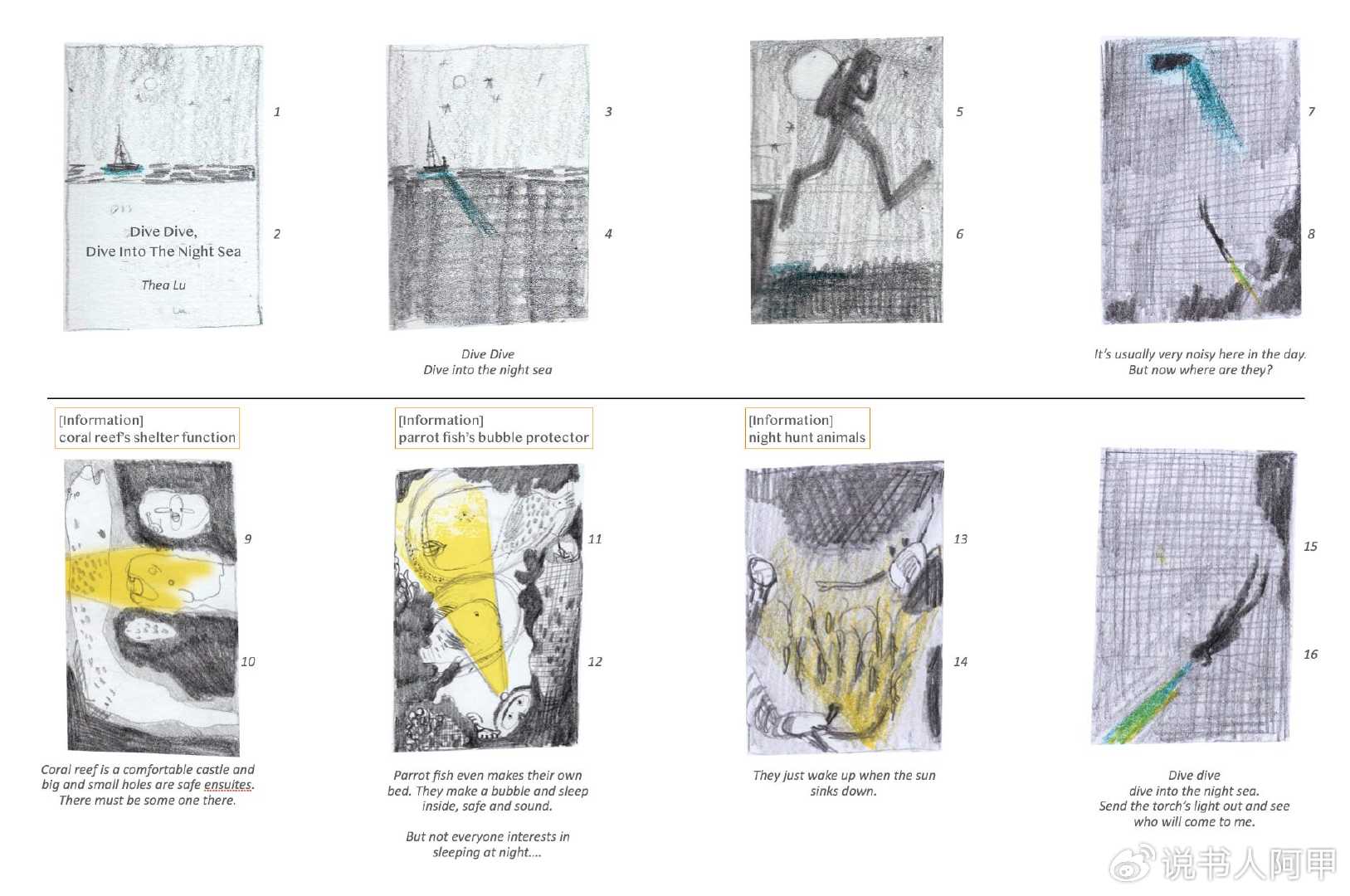
The book’s success largely stems from its unique and ingenious design. Its unconventional vertical page-turning format, with pages flipped from top to bottom, perfectly simulates the physical movements and perspective changes of a diver, allowing readers to truly experience the immersive feeling of a submersible. The content is also carefully arranged, actually divided into two main sections: one part offers the diver’s perspective on mind and body, expressed through extremely concise and beautiful poetry, creating a tranquil and profound emotional atmosphere; the other part provides precise and engaging information about marine life, with rich details that allow readers to experience the rigor and enjoyment of non-fiction science fiction. This clever fusion of narrative and science achieves a delicate balance between knowledge and artistry, satisfying the curiosity of children while also captivating adult readers with a dreamlike visual experience.
In fact, using dark colors as the main tone in children’s picture books is often not very appealing, so it’s somewhat risky. However, this book, with its deep blue and gray-black tones, exquisitely recreates the environment of the night sea through a well-structured and rhythmic approach, making the dark tones both tangible and endearing. For example, the opening scene shows a bright sea and a small boat; as each page turns, the light gradually dims, and a diver leaps into the water from the bright moonlight, passing through schools of fish on the surface and entering the dark abyss. Each page is a deep dive, and with each turn, the reader delves deeper. The illustrations use a large amount of densely woven texture, giving a sense of flowing seawater and shimmering waves. The only light is a beam of yellow light from the diver’s flashlight. This beam of light acts as a guide in the darkness; wherever it reaches, fish, corals, plankton, and sperm whales appear, as if awakened by the light. Here, light is not merely a physical phenomenon, but a metaphor for hope, a calling, and the perception of life.
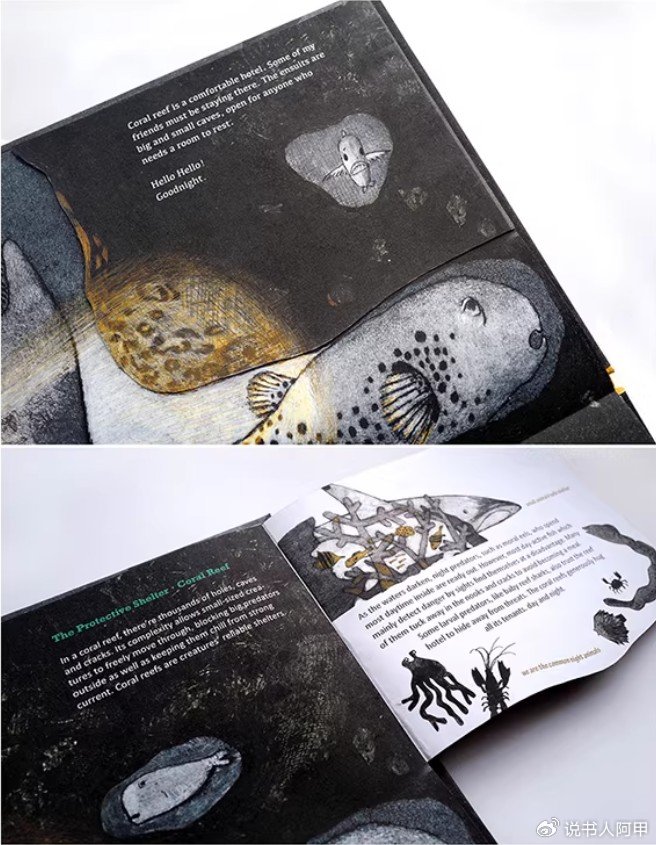
The book’s flip-page design is also ingenious. The flips aren’t in fixed positions, and the shapes of the flaps seem somewhat random. But upon closer inspection, you’ll discover the artist’s ingenuity: the flip points are often illuminated by yellow light (or corresponding areas), and the shapes of the flaps are often related to the marine life depicted on that page. These subtle changes bring surprises at every turn. I believe young readers will derive considerable enjoyment from this whimsical “flip-page” design, balancing the potential “seriousness” of reading scientific information. Frankly, some of the information is somewhat obscure, but this only adds to the sense of mystery. Through these clever designs, the book, with its extremely restrained language and colors, creates an incredibly rich sensory experience, guiding readers with a beam of light to discover hidden wonders of life in the darkness.
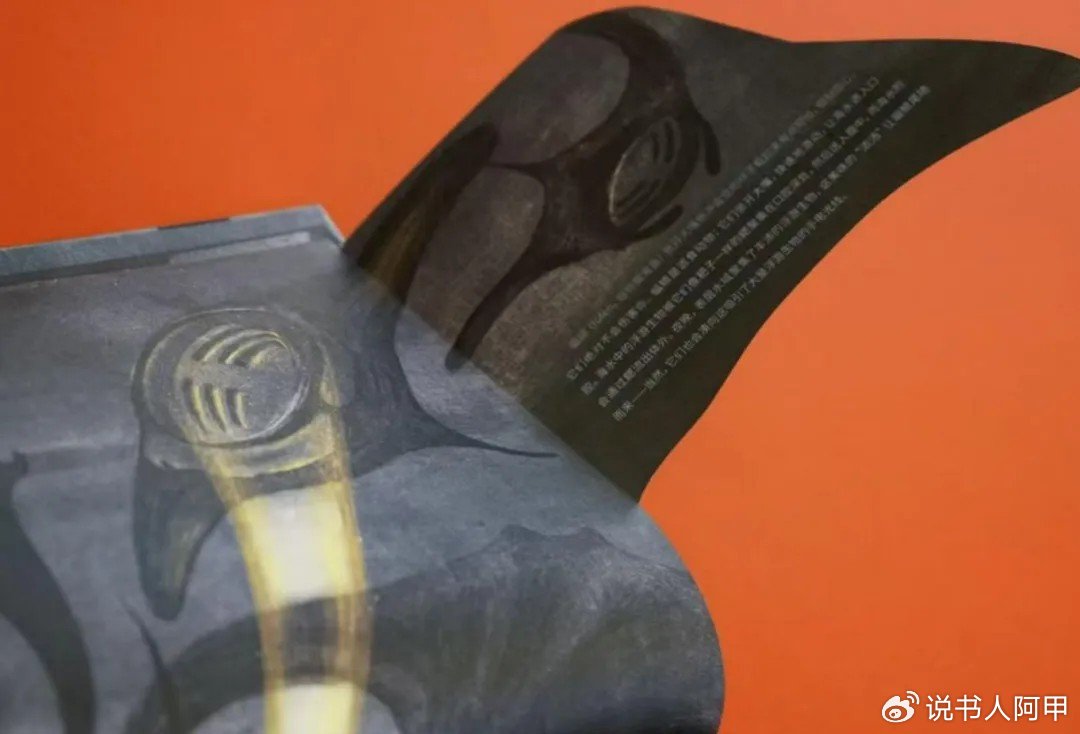
Lu Xinyuan’s three published books, all featuring her own writing and illustrations, showcase ingenious design ideas. For example, in *Here, There*, she uses fold-out pages and symmetrical structures to express spatial differences and cultural similarities, with the two protagonists ultimately meeting on a double-page spread. In *Insect Artists*, she successfully simulates the various forms of insects eating leaves in nature by using perforation and die-cutting techniques on top of single-panel prints. In this book depicting night diving, she explores and experiments with the traditional printing technique of dry engraving, complemented by flip-page and flap designs. The resulting fuzzy, blurred, and warm printmaking style proved highly suitable for capturing the unique atmosphere of deep-sea night diving, and the flap design perfectly suited the activity of deep-sea exploration. This young artist demonstrates a keen artistic intuition in her choice of techniques, successfully and vividly expressing the softness of the water, the hazy light, and the mysterious, elusive nature of life during a night dive. The near-perfect fusion of artistic expression and content is what left a strong impression on me about Lu Xinyuan.
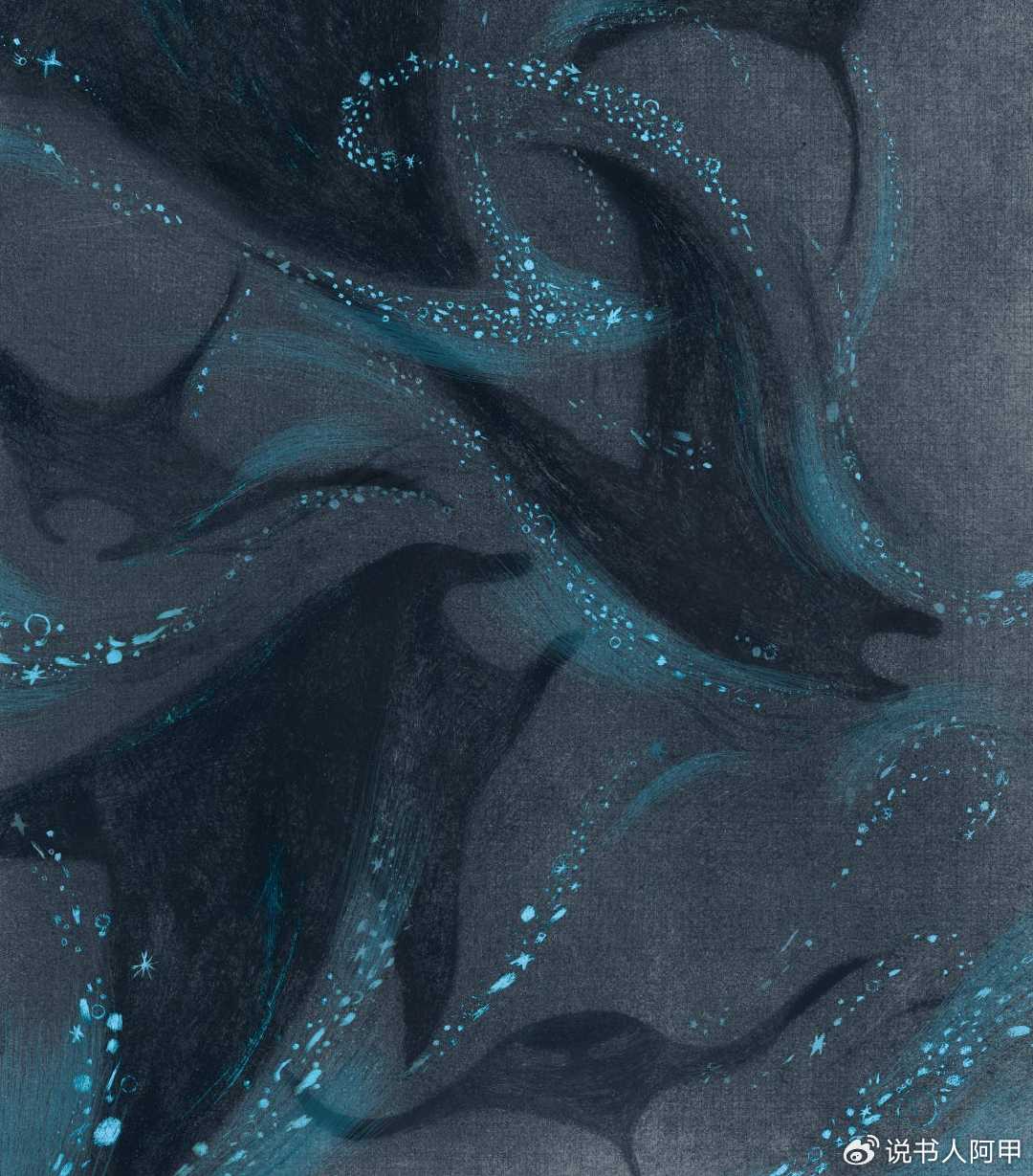
However, what’s even more interesting is that this work evoked some unexpected associations in me. For example, in terms of poetic associations. The recurring phrase in the book, “Down, down, dive into the night sea…”, inevitably reminded me of Welsh poet Dylan Thomas’s poem “Do not go gentle into that good night.” This poem was quoted memorablely in the film *Interstellar*, especially the last line, “Rage, rage against the dying of the light,” which resonates rhythmically and evocatively with “Dive, dive into the night sea.” The former is a lament against death, especially a resentment and struggle against the passing of “light”; while the latter doesn’t choose to confront darkness with “anger,” but rather uses curiosity, sensitivity, and courage to actively enter and connect with it. The picture book artist chooses to embrace the vitality within the darkness, turning to a more Eastern, gentle yet equally courageous attitude—to delve, perceive, and connect.
As I neared the end, I read, “The ocean at night / is truly like a world filled with dreams. / But / the time has come, / I must swim out of this dream.”“
The English version is “The world of the night / sea is like a beautiful dream. / But the time has come for me to leave.” This reminds me of Robert Frost’s “Rest at the Woods on a Snowy Evening,” with its final lines, “But I have promises to keep, / And miles to go before I sleep…”—Immersed in the tranquil, mysterious, and dreamlike beauty of nature, one can be hypnotized. But the traveler, lost in its beauty, suddenly realizes that there are still responsibilities, promises, and the journey to continue. Thus, they continue their journey or surface.
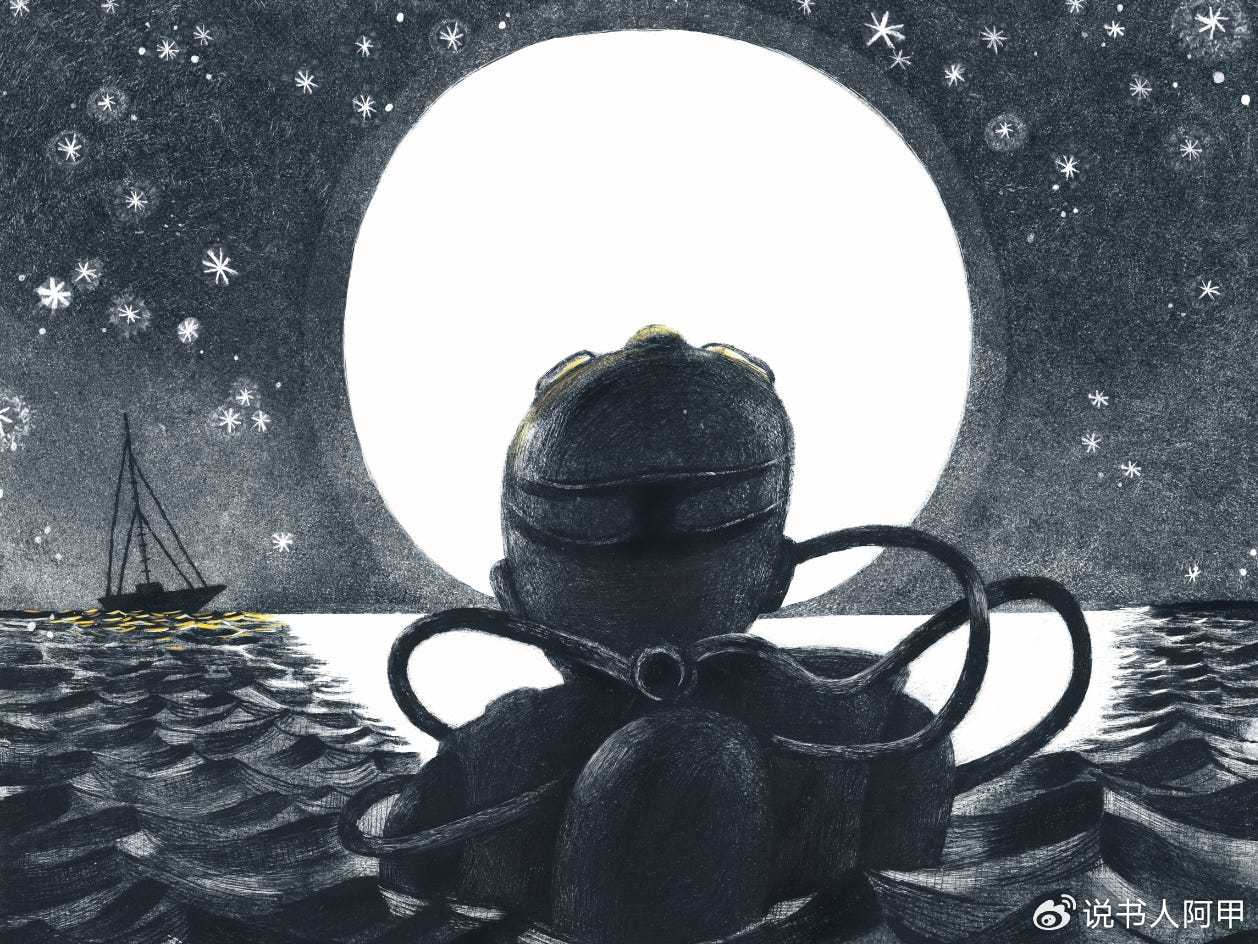
This fascination with the deep sea reminds me of the French film “The Big Blue,” which I watched many times years ago. The protagonist, Jacques, ultimately finds a stronger sense of belonging in deep-sea diving than on land—the seabed is dreamlike, the dolphins are like family, and the call from the ocean is a near-primal emotional dimension, full of poetic imagery. But when the deep-sea diver in the picture book surfaces, I still feel incredibly happy and relieved. The choice to return to reality and the choice to preserve the fairytale dream are not contradictory.
Such associations are clearly not characteristic of children’s reading responses, but I think this doesn’t prevent them from finding their own enjoyment in reading. I believe that Lu Xinyuan’s picture books (not limited to this one) can easily transcend the boundaries between children and adult readers, which is precisely what makes them unique and rare. We cannot judge them as lacking “childlikeness” simply because adult readers make more associations with them.
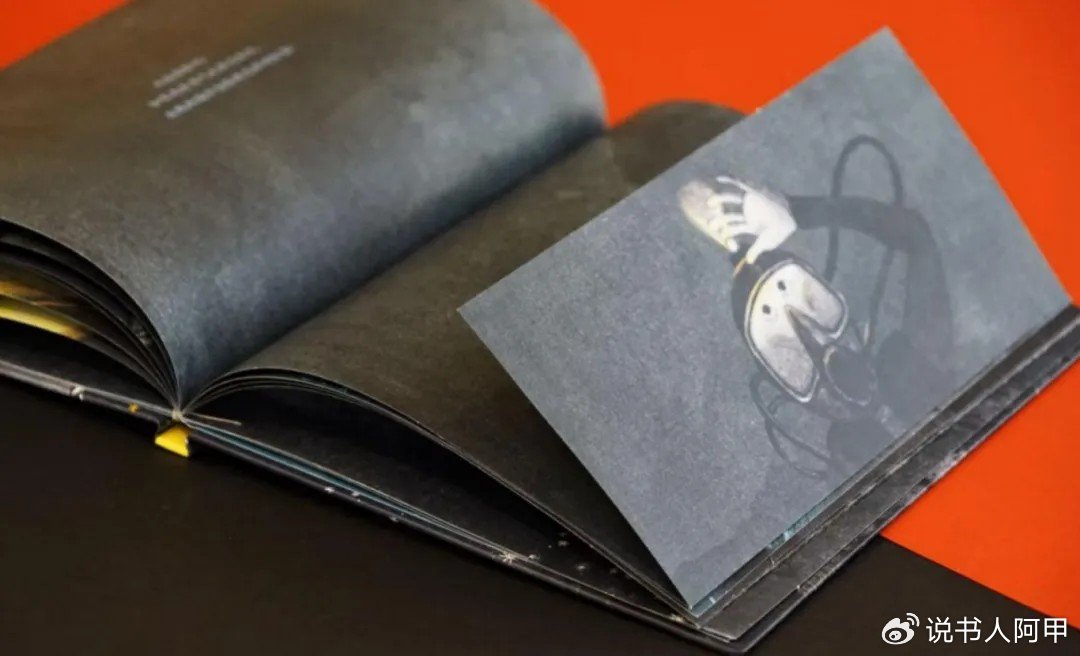
Take, for example, the book *Dive Down, Dive into the Night Sea*. Its unique visual style, ingenious book structure, and profound emotional exploration can certainly attract readers aged 3 to 99. Young children can experience the wonder of the underwater world through interactive flip pages, while older children can continue to explore related marine life knowledge through the flaps. This immersive experience can greatly stimulate children’s curiosity and spirit of exploration, while potentially reducing their fear of the dark. For adult readers, the book may offer a poetic philosophical reflection, encouraging them to confront their own fears and re-examine and embrace the unknown world through the experience of deep-sea diving at night.
Just like the courage and wisdom shown in the book—instead of fearing the darkness, dive deep into it to explore the hidden miracles and endless possibilities of life.
Written by A‑Jia on May 3, 2025 in Beijing