🎂 October 10, 1942 — The birth of a picture book genius
James Edward Marshall (1942–1992)
Picture book writer and illustrator born in San Antonio, Texas.
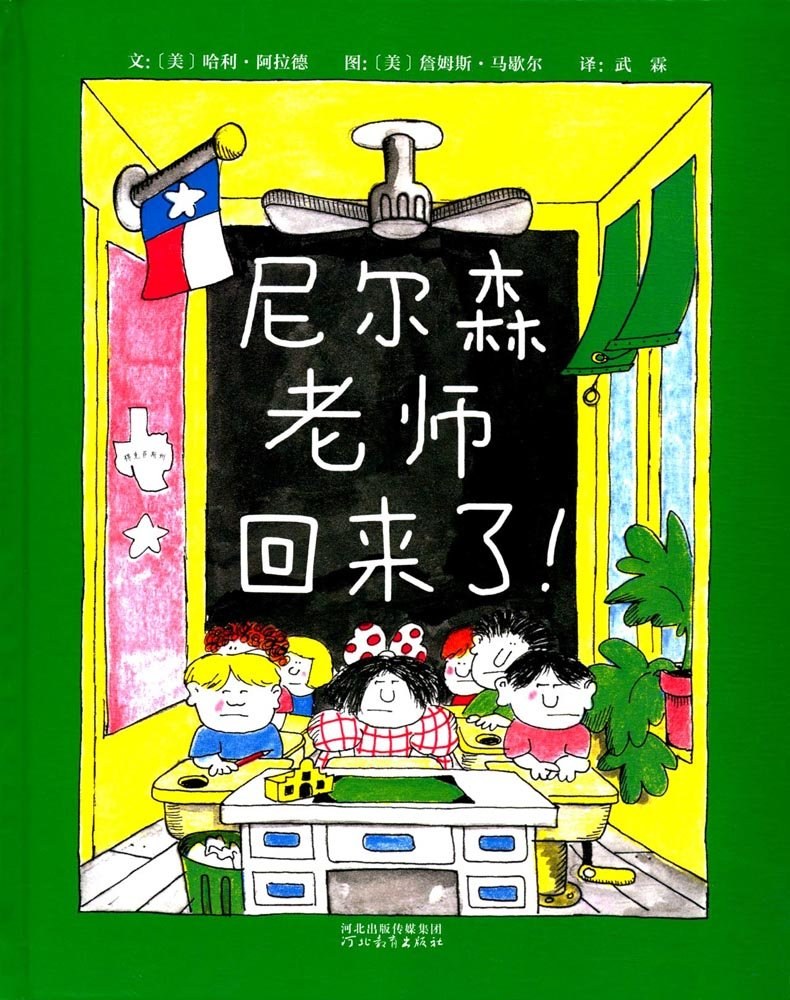
Marshall majored in music and received a scholarship to the New England Conservatory of Music. However, a hand injury interrupted his performing career, leading him to pursue a career in education and literature. His illustrations are influenced by Maurice Sendak and Edward Gorey, and he excels at combining ink lines with soft colors, capturing emotional tension in a minimalist style.
📚 Representative works:
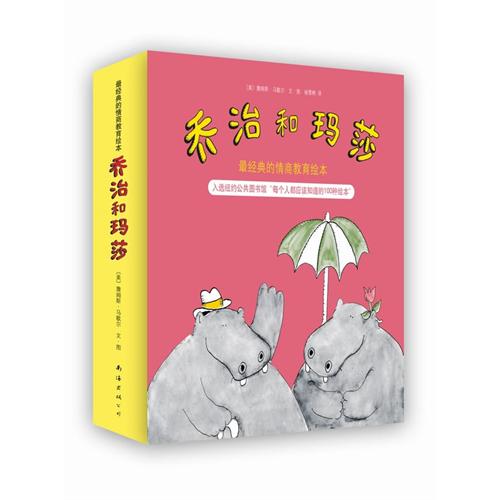
The most representative series is George and MarthaGeorge and Martha, 1972)Through the everyday interactions of two hippos, Marshall depicts the tenderness and complexity of friendship with humor and absurdity. His story is concise yet precise, with light and suggestive language, earning him the title “a minimalist blueprint for children’s interpersonal relationships.”
Although he received numerous critical acclaim during his lifetime, he was often overlooked by mainstream awards. Maurice Sendak once commented: “Marshall never winked at adults, nor did he cater to them. His work was purely for children.”
Marshall died of a brain tumor on October 13, 1992, just three days before his fiftieth birthday. Today, his work is considered a model of humor and the purity of children’s storytelling.
👉 James Marshall — Wikipedia
🎂 1946 & 1948 — The Double Birth of Folktale Studies
Robert D. San Souci (1946–2014) and Daniel San Souci (1948–)
Born in San Francisco, California, these two brothers are a golden duo in rewriting and illustrating American folk tales: Robert writes, and Daniel draws. Encouraged from a young age by their family to “tell the story, draw the picture,” their collaboration has given folk narratives new life in children’s literature.
📚 Robert D. Sans Souci’s Folklore Contributions
Based on his folklore background, he retells folk tales that are ignored by mainstream culture. His representative works include:
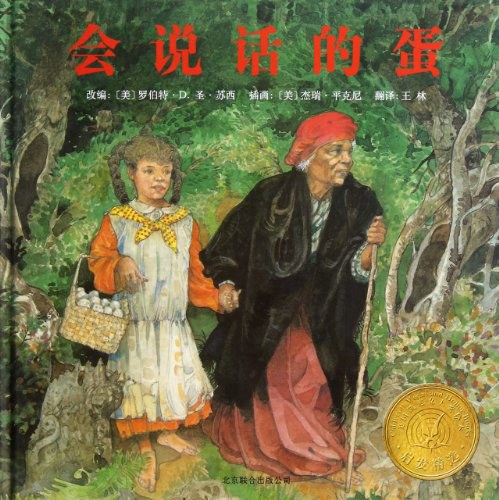
- The Talking Egg: A Folktale from the American SouthThe Talking Eggs: A Folktale from the American South, 1989)—a collaboration with illustrator Jerry Pinkney, winner of the 1990 Newbery Medal;
- Caribbean CinderellaCendrillon: A Caribbean Cinderella, 1998) – rewriting classics with Caribbean culture;
- One Blood: Myths and Legends of American WomenCut from the Same Cloth)—Winner of the Aesop Award from the American Folklore Society.
Their works reflect the multicultural turn in children’s literature, emphasizing cross-cultural understanding and cultural sensitivity.
👉 Robert D. San Souci — Wikipedia
👉 Daniel San Souci — Encyclopedia.com
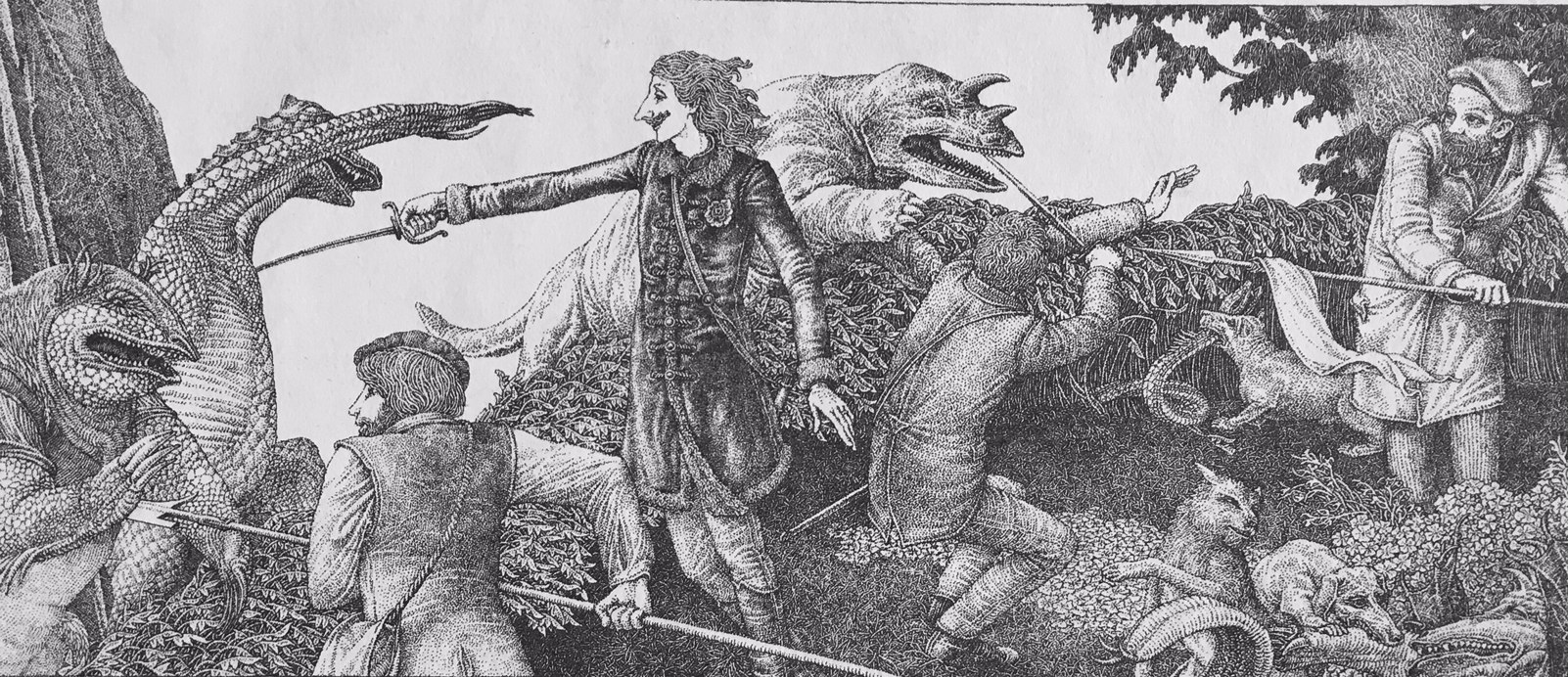
⚰️ October 10, 1999 — Hungarian illustrator Tamás Kovács (1942–1999) died
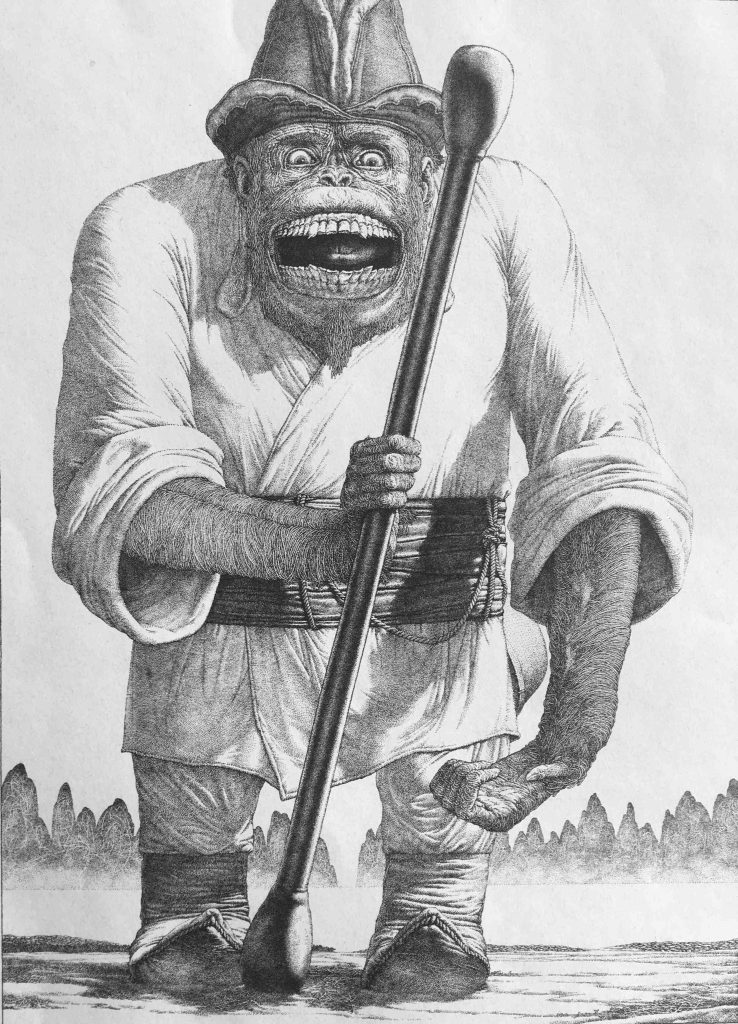
Born in Budapest and graduated from the Hungarian Academy of Fine Arts, his illustrations are known for their realism and graphic expression, representing the international style of Hungarian illustration art.
He has illustrated children’s books and has won:
- 1979 Bratislava Illustration Biennial Golden Apple Award (BIB Golden Apple)
- 1978 “Beautiful Hungary Book Award” and Ministry of Culture Award
- 1986 Munkácsy Mihály Prize, Hungary’s highest honor in art
His works have been exhibited in many places in Europe and have had a profound impact on the development of the visual language of Eastern European children’s literature.
👉 Tamás Kovács — Koller Gallery
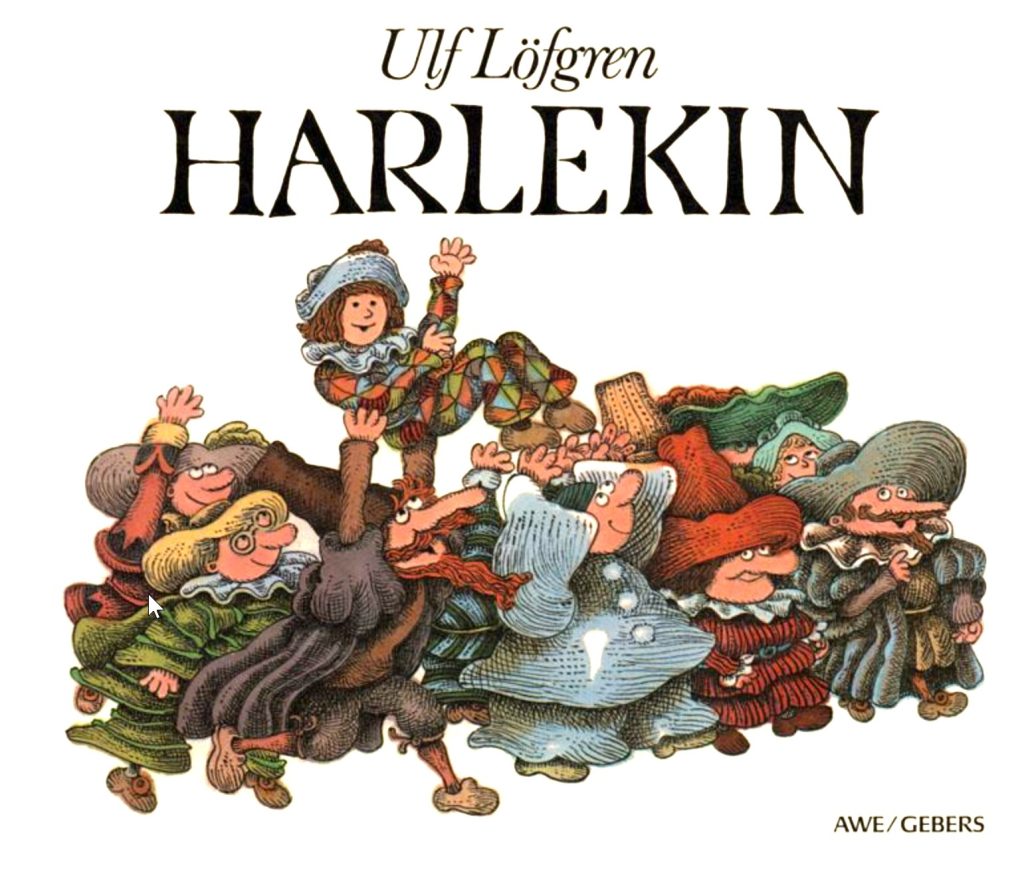
⚰️ October 10, 2011 — Swedish illustrator Ulf Löfgren (1931–2011) died
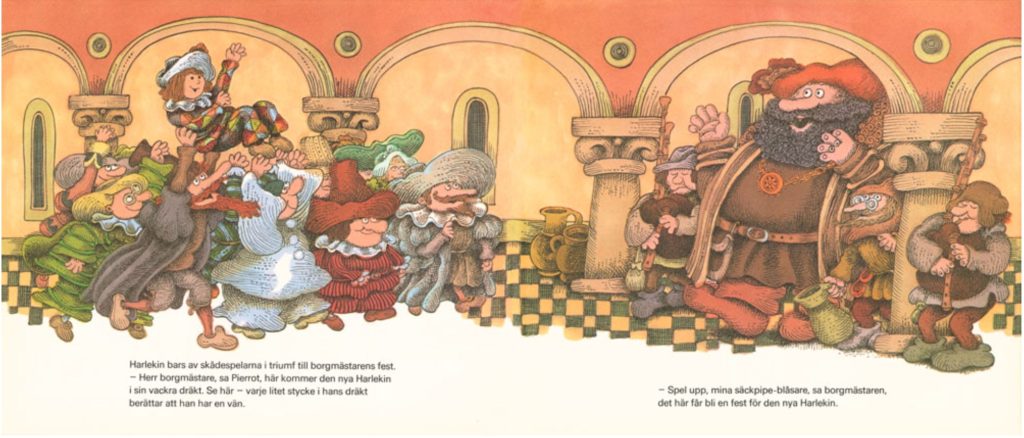
Ulf Löfgren is one of Sweden’s most iconic children’s illustrators, best known for his “Ludde” and “Albin” series. His work is characterized by a delicate and decorative style that incorporates Nordic fantasy and folk traditions.
He has won several awards at the Bratislava Illustration Biennale:
- BIB Medal Award in 1971, 1973, and 1975
- 1977 Grand Prix BIB
- Elsa Beskow Plaque 1960
His works have been translated into more than 20 languages and have had a lasting impact on European children’s fantasy literature and educational aesthetics.
👉 Ulf Löfgren — Wikipedia