🎂 Born 1962: Kevin Eastman
American cartoonist and publisher (1962). He is the co-creator of Teenage Mutant Ninja Turtles, a phenomenal icon in global popular culture history.
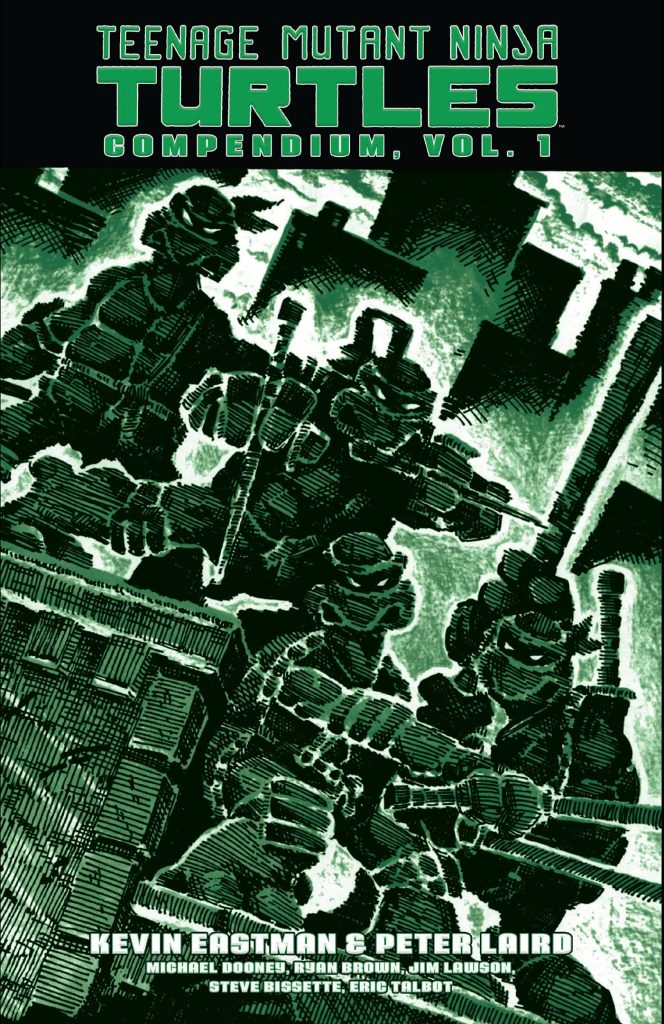
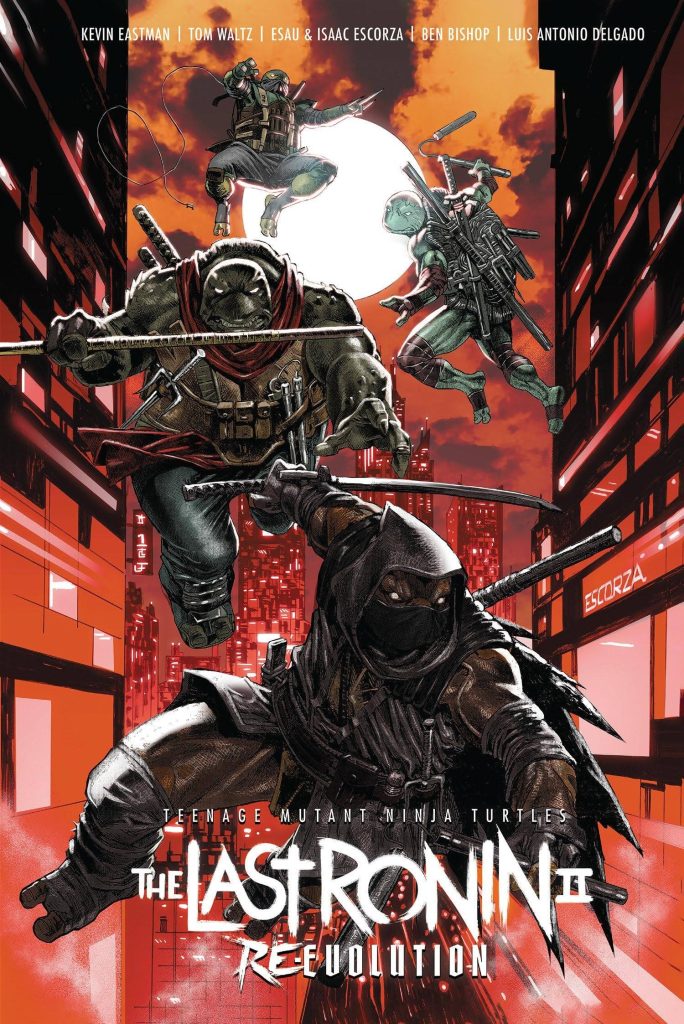
- A masterpiece for posterity: Teenage Mutant Ninja Turtles (Teenage Mutant Ninja Turtles)。
- Historical impact: In 1984, Eastman and his friend Peter Laird sketched an anthropomorphic turtle wielding nunchucks on a piece of sketch paper, which became the starting point for the “Teenage Mutant Ninja Turtles.” This work, which initially had the satirical style of underground independent comics, unexpectedly grew into a global media empire. Leonardo da Vinci, Raphael, Michelangelo, and Donatello—the four turtles who lived in the sewers of New York, loved pizza, and were masters of ninja techniques—became the coolest superhero symbols in the childhood memories of generations of teenagers around the world.
| Birth | Kevin Eastman | Kevin Eastman (Wikipedia) |
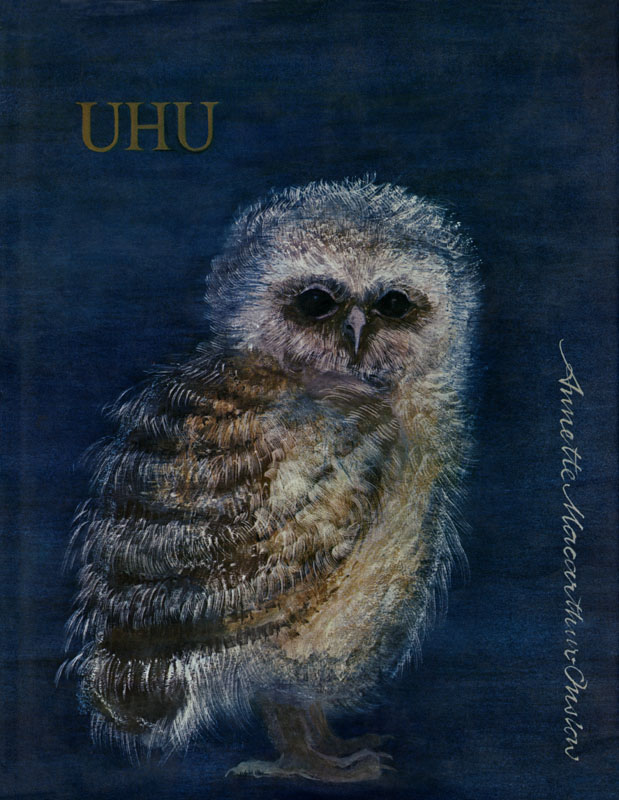
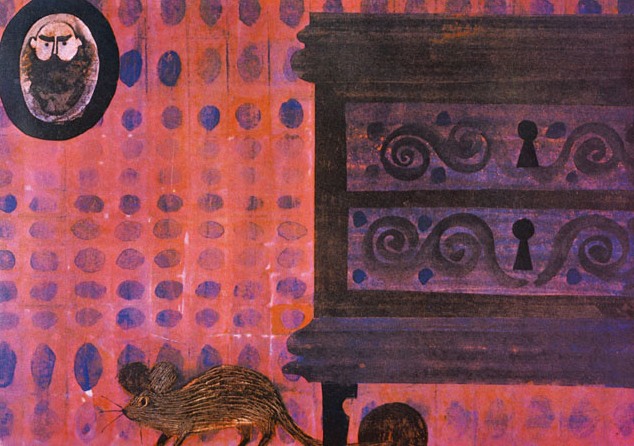
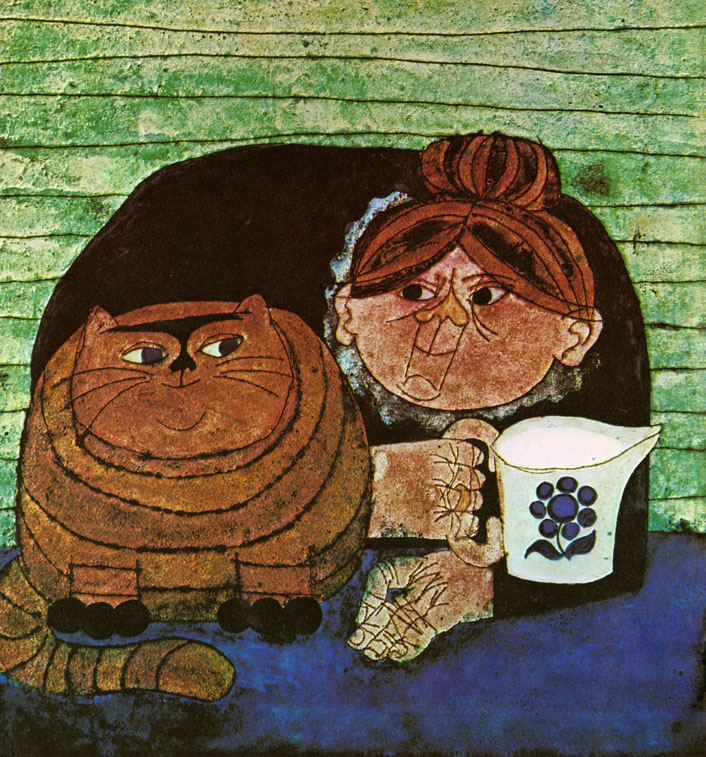
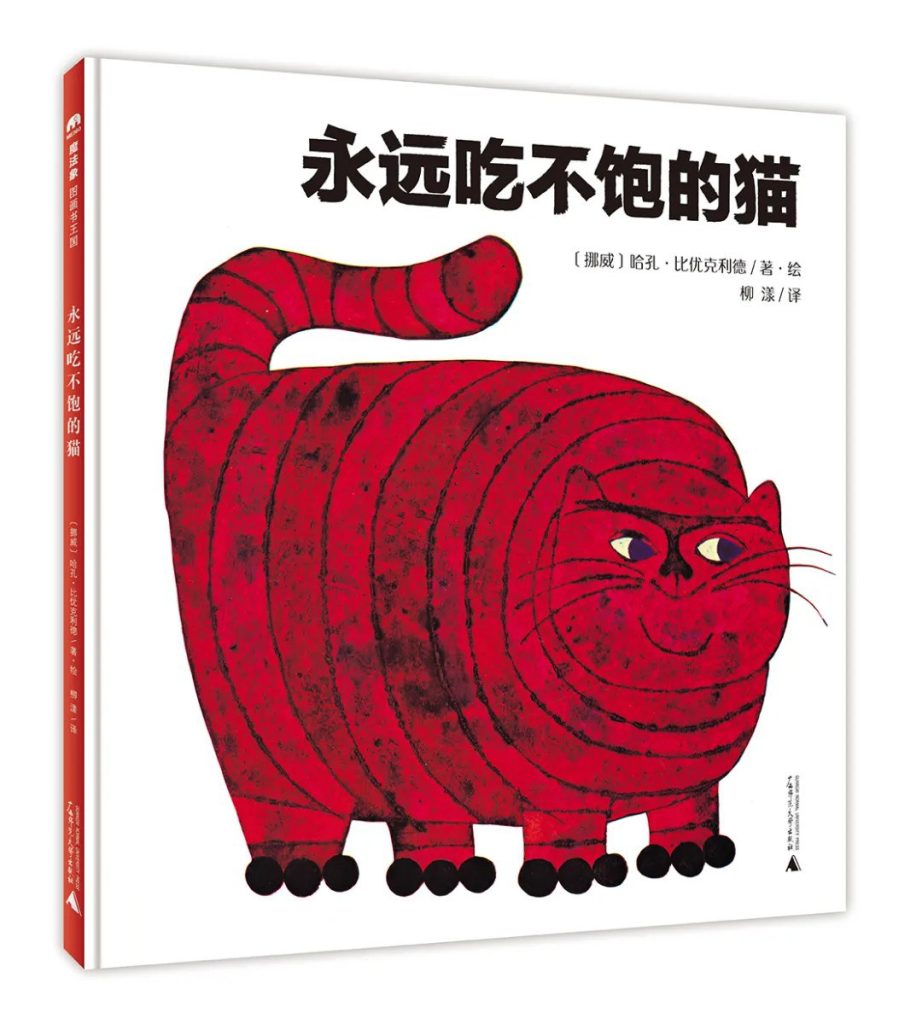
🎂 1925 – Born: Haakon Bjørklid
Norwegian national treasure painter, printmaker, and children’s book author (1925–2020). He was a pioneering master who perfectly blended traditional Nordic folk narratives with modern expressionist visuals in the mid-to-late 20th century.
- International highest honor: He was an extremely important early Nordic award winner at the Bratislava International Biennial of Illustrations (BIB).
- 1971 BIB Honorary Mention: Big Blue Bull (Den store blå bukken)。
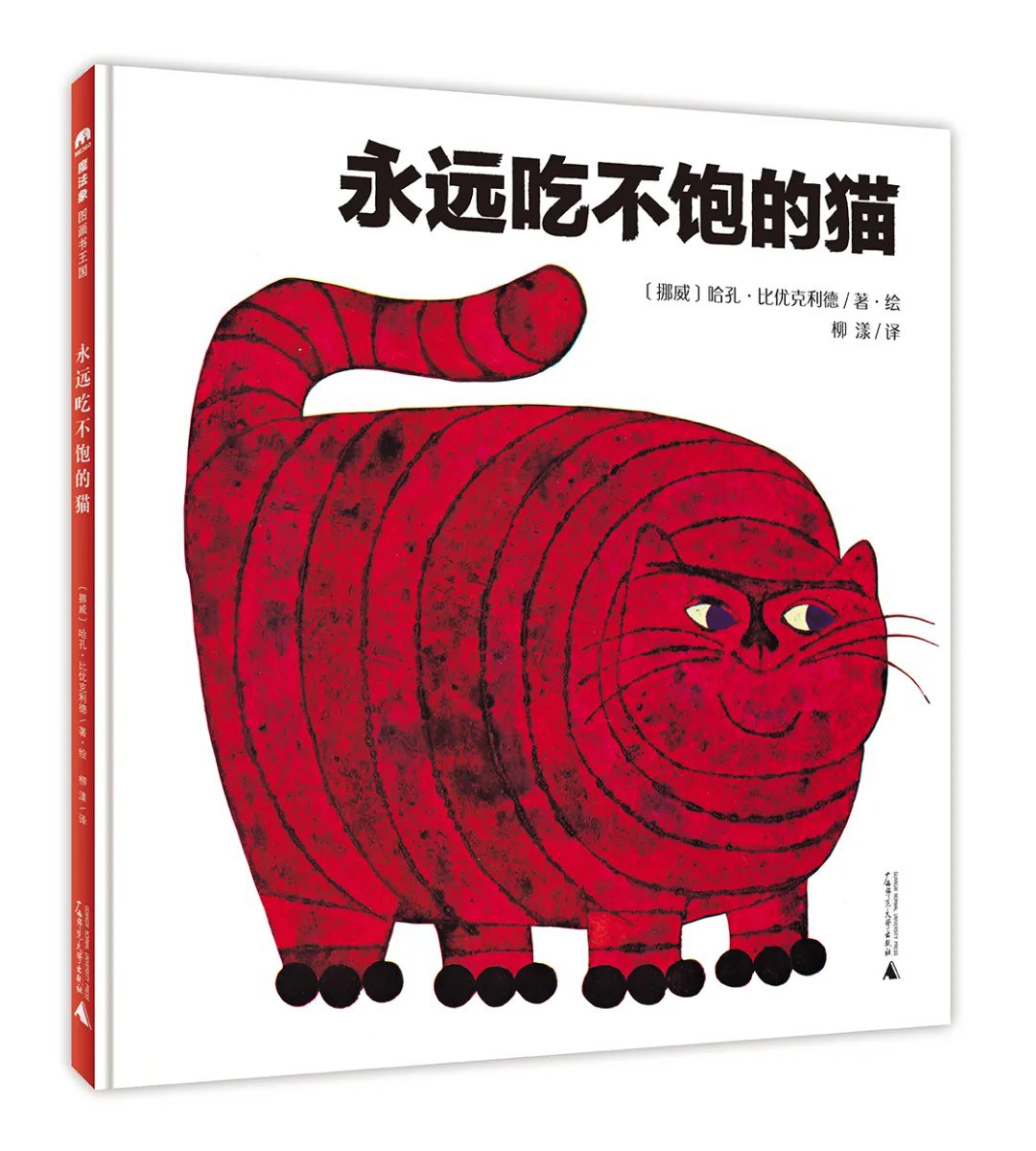
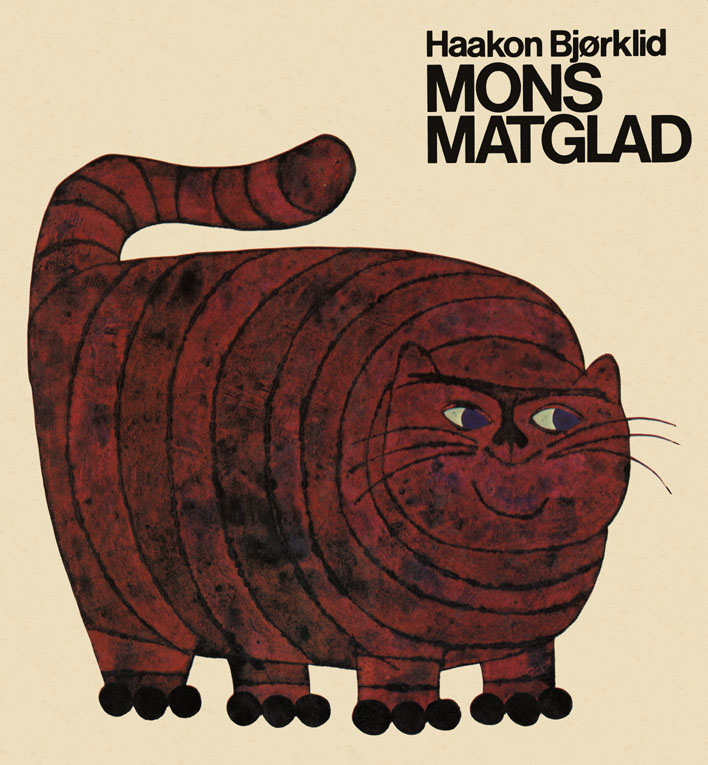
- 1975 BIB Honorary Mention: The Cat Who Is Never Full (Mons matglad / English version name:The Very Hungry Cat)。
- Artistic features: Byocris was known for his use of vibrant colors and richly textured woodcut and lithograph styles. His world is filled with the mystery, grotesqueness, and humor of Norwegian forests and fjords, and his folk-tale-inspired animals and monsters showcase the rugged aesthetics of Nordic visual art, brimming with vitality.
| Birth | Haakon Bjørklid | Haakon Bjørklid (Wikipedia) |
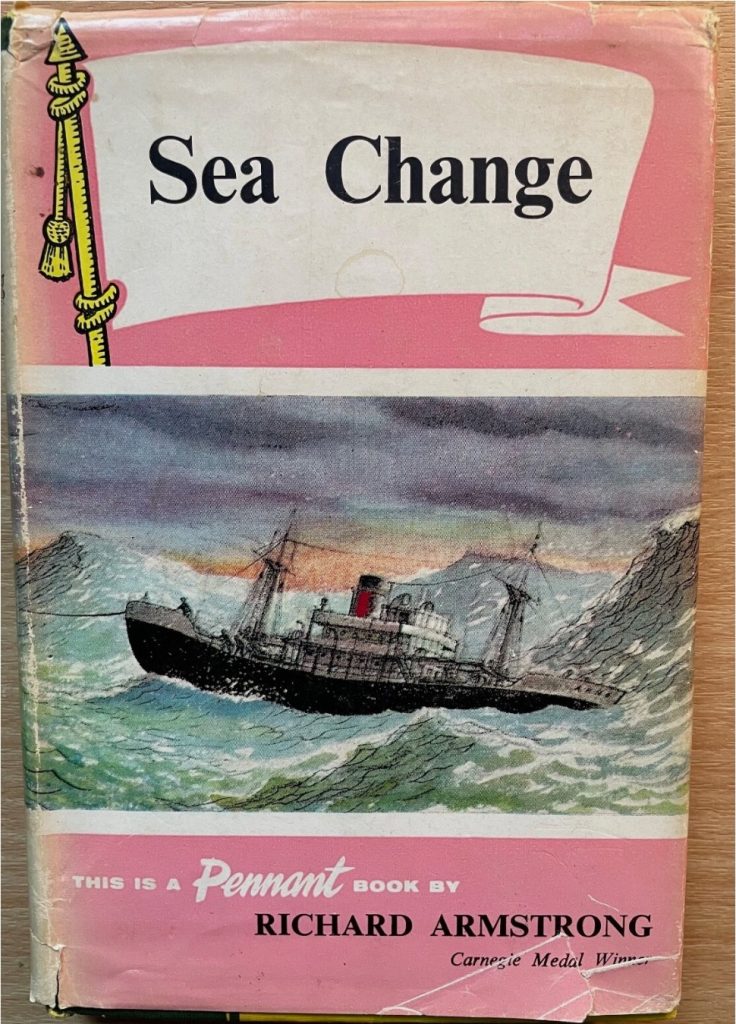
⚰️ 1986 – Death: Richard Armstrong
A prominent British realist adventure writer (1903–1986). He was the founder of postwar British “hardcore sea literature,” using the most realistic depictions of the ocean waves to cleanse the greenhouse of children’s literature.
- Highest Honor: He won the award for his work “Great Changes at Sea” 1948 Carnegie Medal.
- Representative works: Great Changes at Sea (Sea Change)。
- Literary status: Armstrong spent many years as a sailor on merchant ships in his youth. His works completely abandoned the unrealistic romantic fantasies of children’s adventure novels at the time, instead depicting, with an almost detached and rigorous documentary style, how young apprentices truly grow into qualified seamen amidst storms, arduous labor, and complex interpersonal conflicts. His works are filled with awe of the sea and a robust humanitarian spirit.
| Deceased | Richard Armstrong | Richard Armstrong (Wikipedia) |