🎂 Born in 1949: Hideko Ise
She is a renowned Japanese painter, picture book author, and essayist. She is known for her extremely delicate and transparent watercolor style, and her works often carry a profound poetic quality and a reverence for life and nature.
- Representative works:
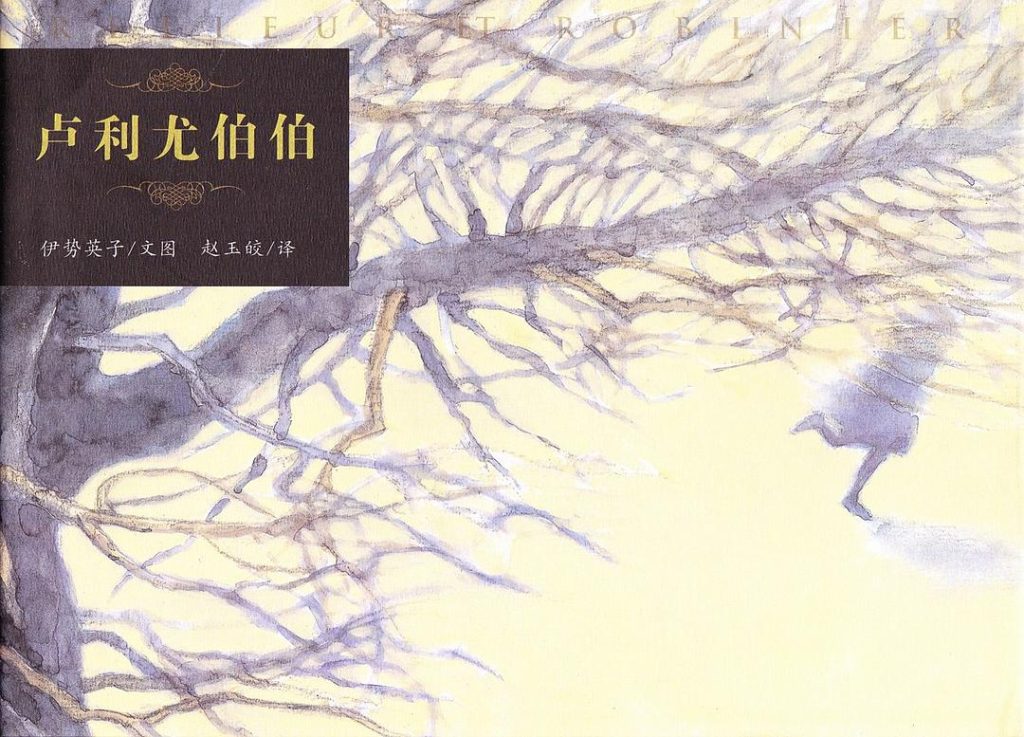
- Uncle Luliyu (Sophie et le Relieur): This book tells the story of a bookbinder and a little girl, and won the Kodansha Publishing Culture Award for Picture Books.
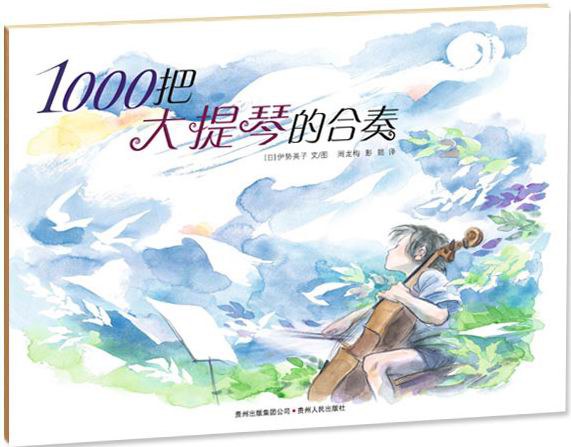
- A 1000-cello Ensemble (1000 vents, 1000 violoncelles(This is a true performance inspired by the Great Hanshin Earthquake, and the visuals are filled with music and healing power.)
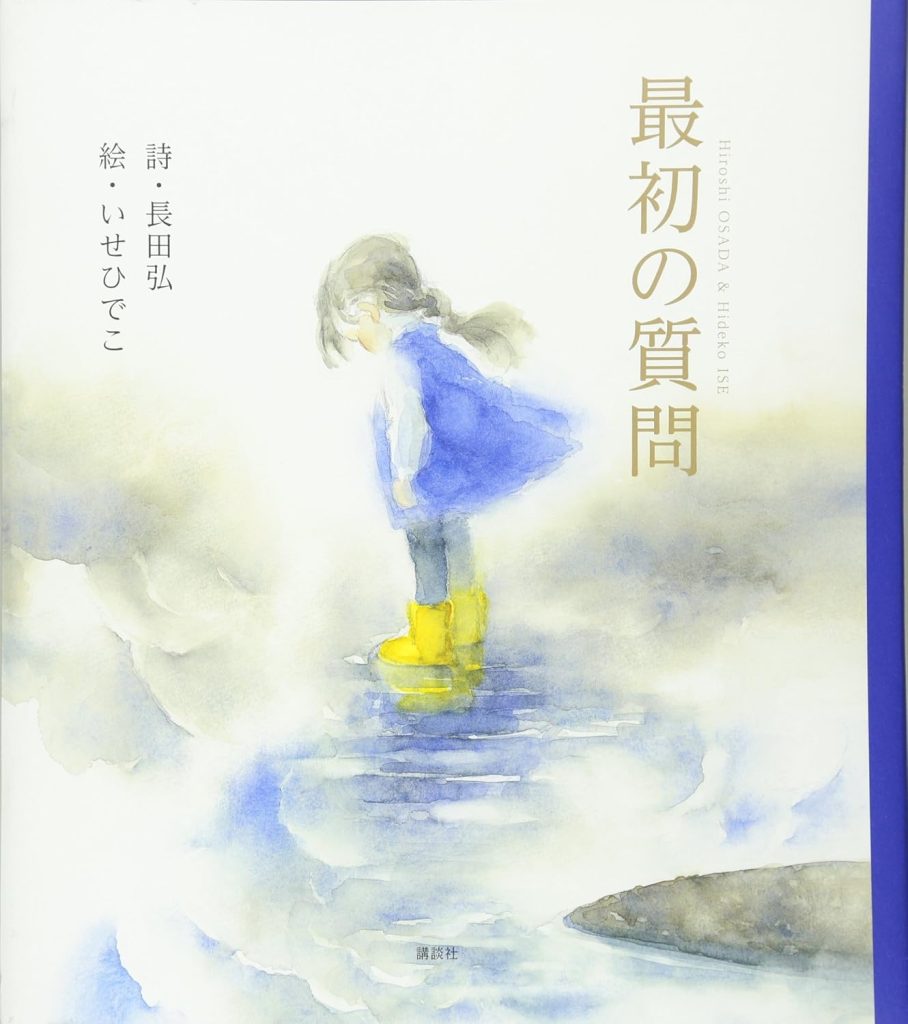
- The First QuestionCollaborating with renowned poet Hiroshi Nagata, he uses his paintbrush to touch upon the essence of life.
- Artistic features: Eiko Ise is also a cellist. Her lines are as rhythmic as music, and she is especially good at depicting “trees”. The forests in her paintings seem to have a breath.
| Birth | Eiko Ise | Hideko Ise (Wikipedia) |
⚰️ 2016 – Passed away: Makiko Futaki
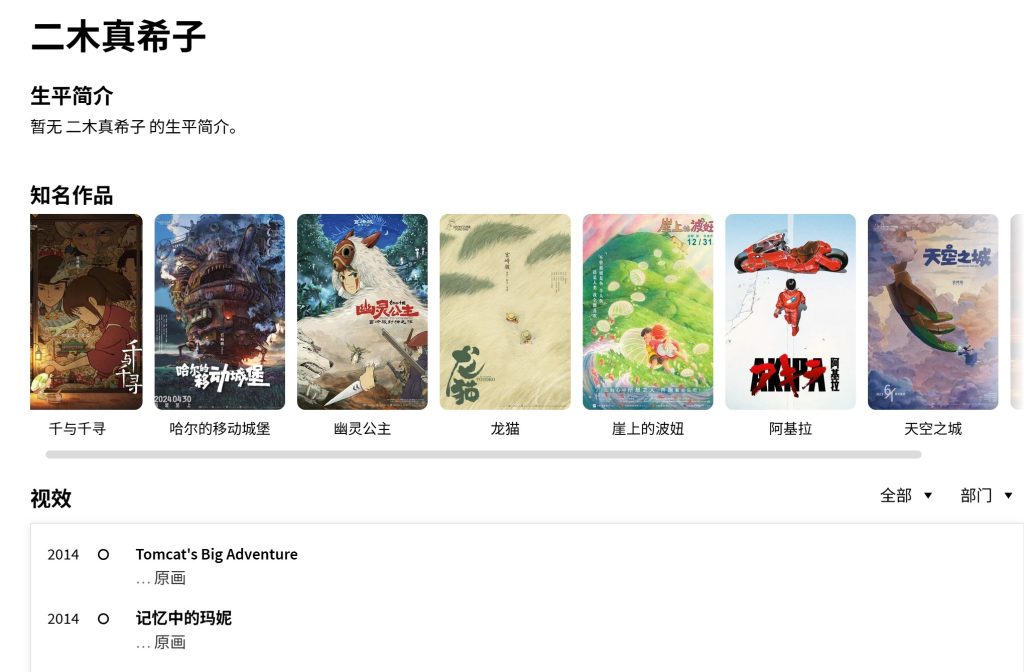
She was a renowned Japanese animator and illustrator (1958–2016). She was a core animator at Studio Ghibli and one of Hayao Miyazaki’s most important right-hand women.
- Animation contribution: She participated in all of Studio Ghibli’s classic works, including “Castle in the Sky,” “My Neighbor Totoro,” and “Princess Mononoke.” She was extremely skilled at depicting “delicate animal and plant movements” and “flowing wind.”
- Children’s book achievements:
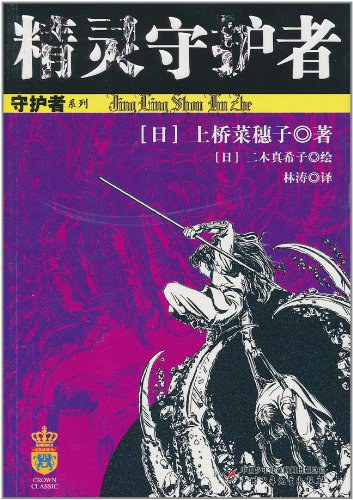
- Illustrations for “Guardian of the Spirits“She illustrated the cover and interior pages of Naoko Uehashi’s long fantasy masterpiece, and her precise and mysterious style gave the work a unique visual soul.
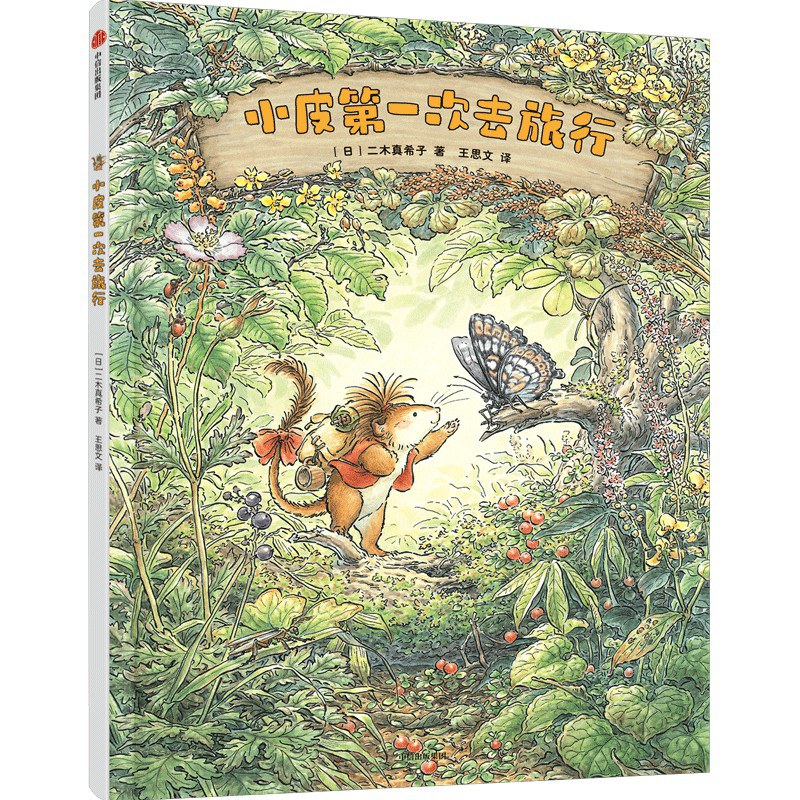
- Little Piskey’s First Trip、Piskey’s First FriendThis shows her fresh and gentle side as a picture book author.
| Passed Away | Makiko Futaki | Makiko Futaki (Wikipedia) |
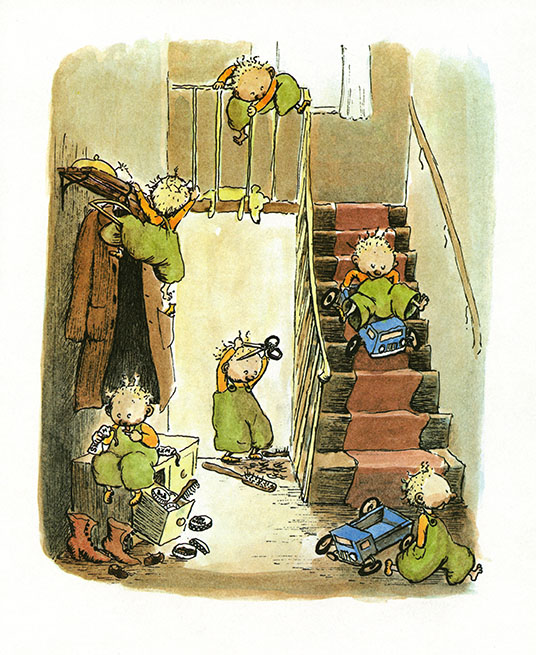
🎂 Born 1949: Eva Eriksson
One of Sweden’s most iconic contemporary illustrators. Her artwork defined the visual experience of countless Swedish children’s childhoods.
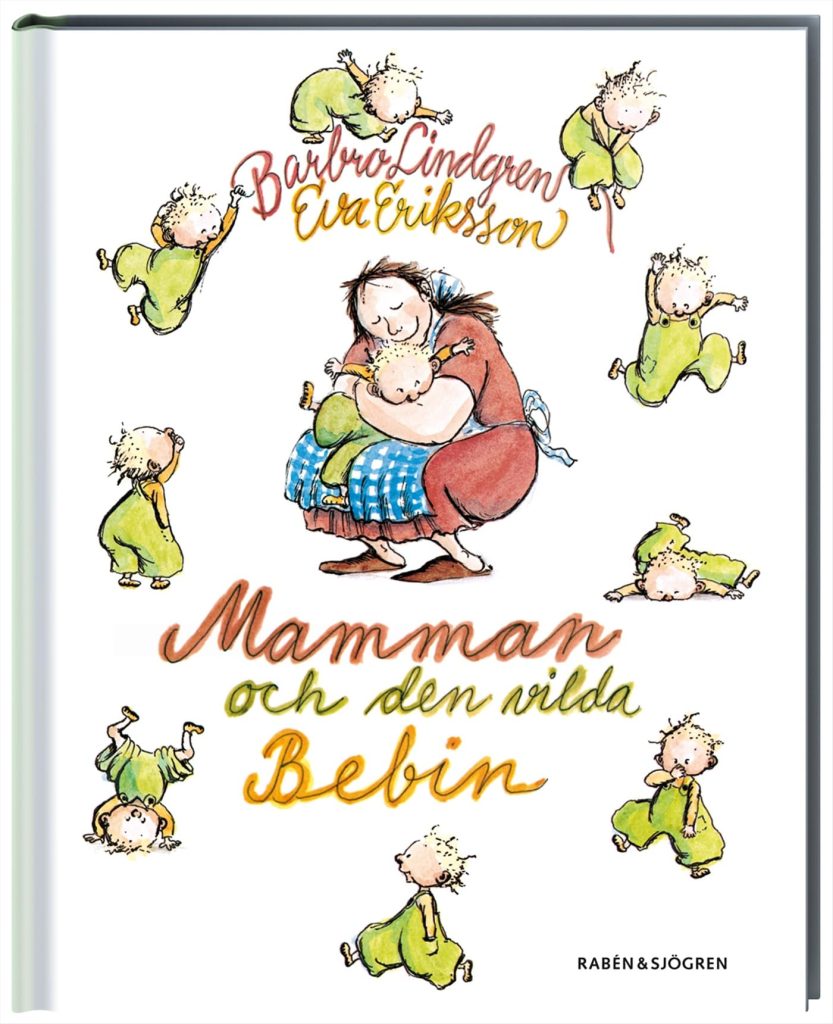
- Key Achievements: With theMom and Wild Baby-Mamman och den vilda Bebin) won 1981 BIB Plaque.
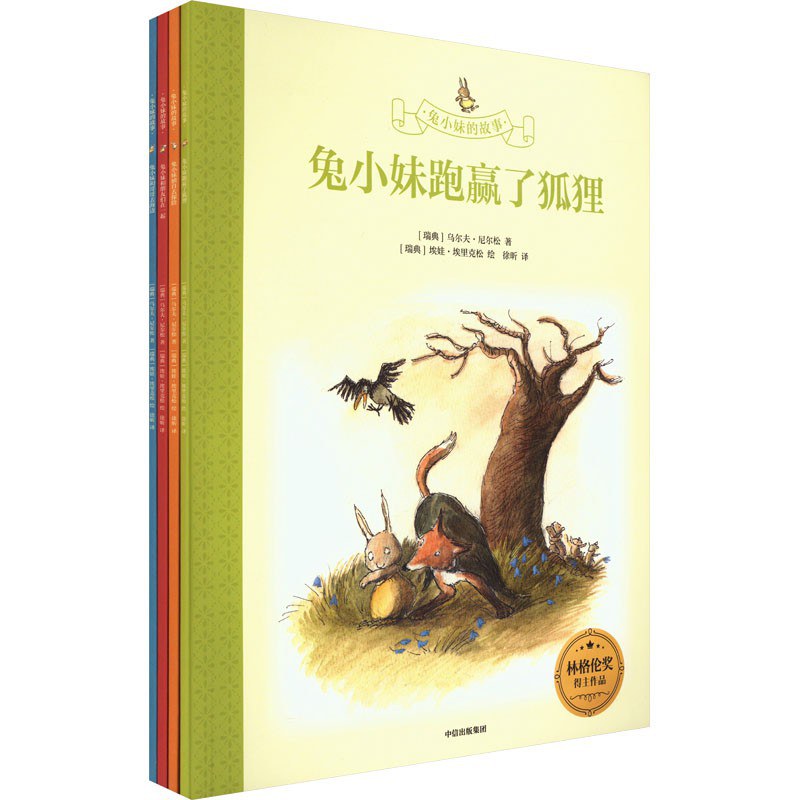
- Representative works: The “Wild Little Baby” series and the “Little Bunny” series, both collaborations with Pablo Lindgren.
- Artistic features: Eriksson excels at capturing the subtle emotional fluctuations of young children with soft tones and expressive lines; her signature is a warmth imbued with Nordic dry humor.
| Birth | Eva Eriksson | Eva Eriksson (Wikipedia) |
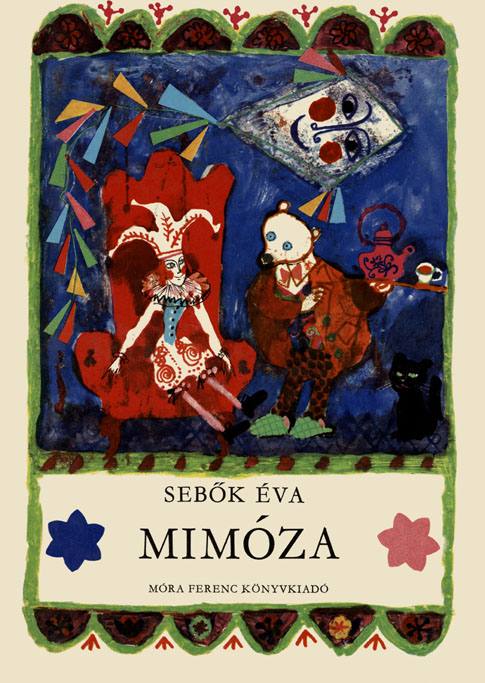
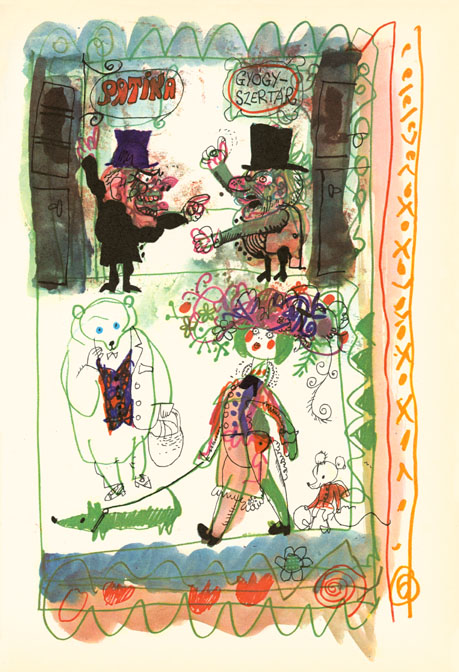
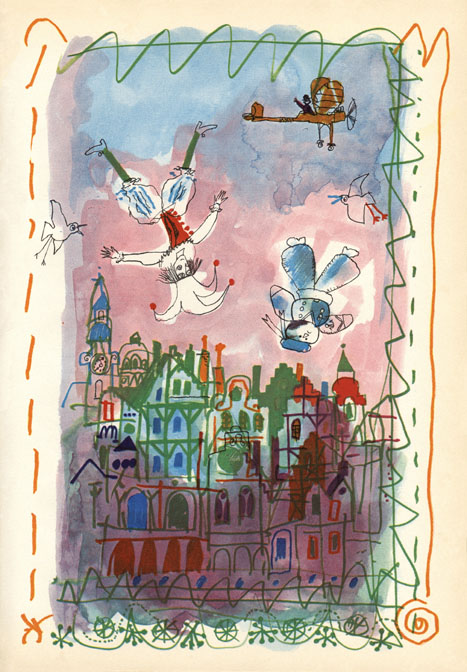
⚰️ 1994 – Death: Ádám Würtz
A renowned Hungarian graphic artist and illustrator (1927–1994).
- Key Achievements: With the work “Mimosa pudica-Mimóza) won 1971 BIB Plaque.
- Artistic Status: Wirz’s style is deeply influenced by Hungarian folk art. He is adept at combining traditional decorative elements with modern printmaking techniques and holds an important position in the Eastern European illustration world.
| Died | Adam Wirtz | Ádám Würtz (Wikipedia) |
🎂 Born in 1935: Taku Miki
A renowned Japanese poet, novelist, and translator (1935–2023).
- Contribution to children’s books:
- As a translator, he translated the classic “The Wind in the Willows”.
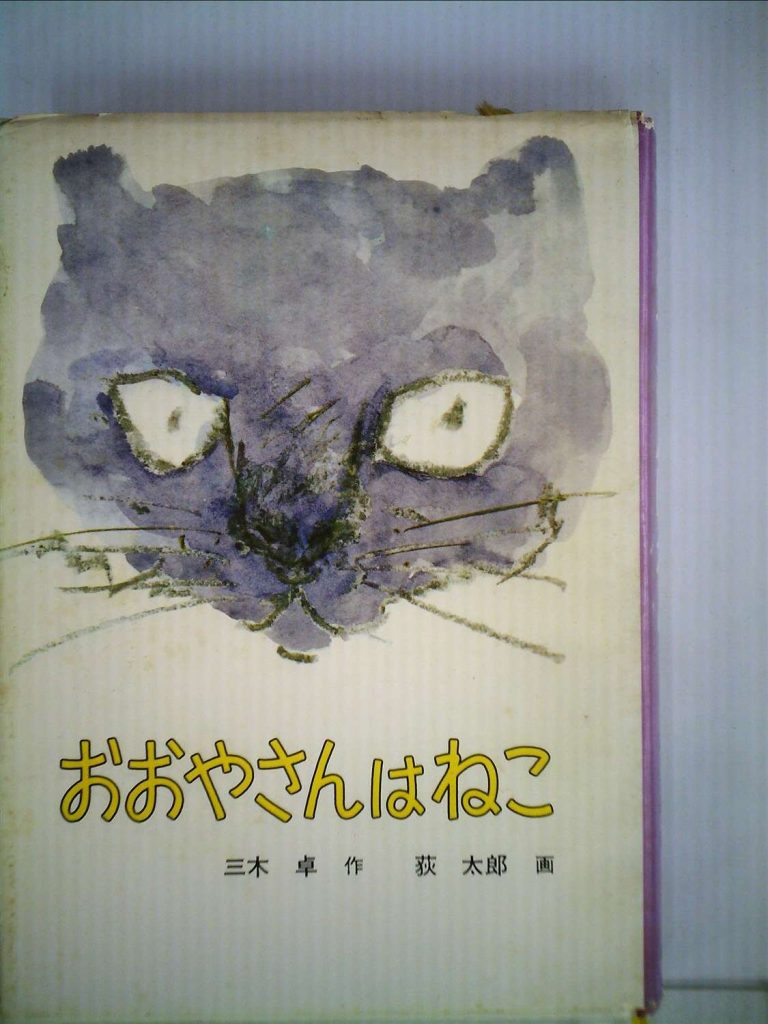
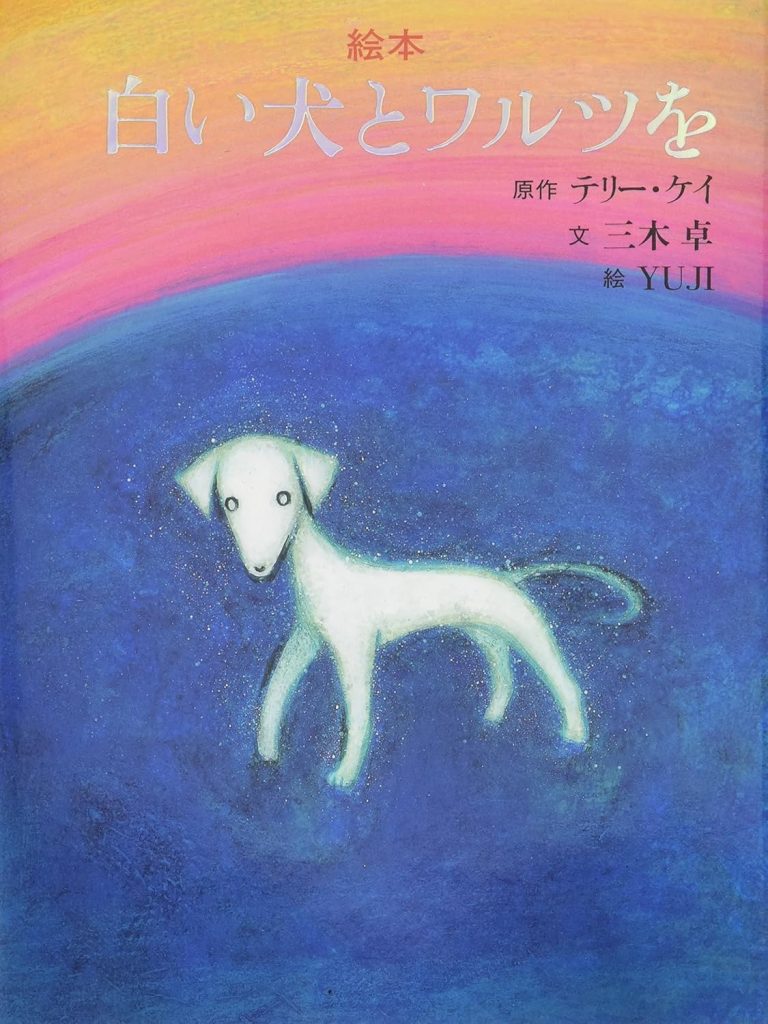
- As the original author of the picture book, he created “The landlord is a cat-おおやさんはねこ(1982) and ThePicture Book: Waltz with the White Dog-絵本白い狗とワルツをHis works include [list of works]. His writing possesses the refinement of a poet and a deep affection for animals.
| Birth | Miki Taku | Taku Miki (Wikipedia) |
🎂 Born 1929: Juan Muñoz Martín
A national-level children’s literature author in Spain (1929–2023).
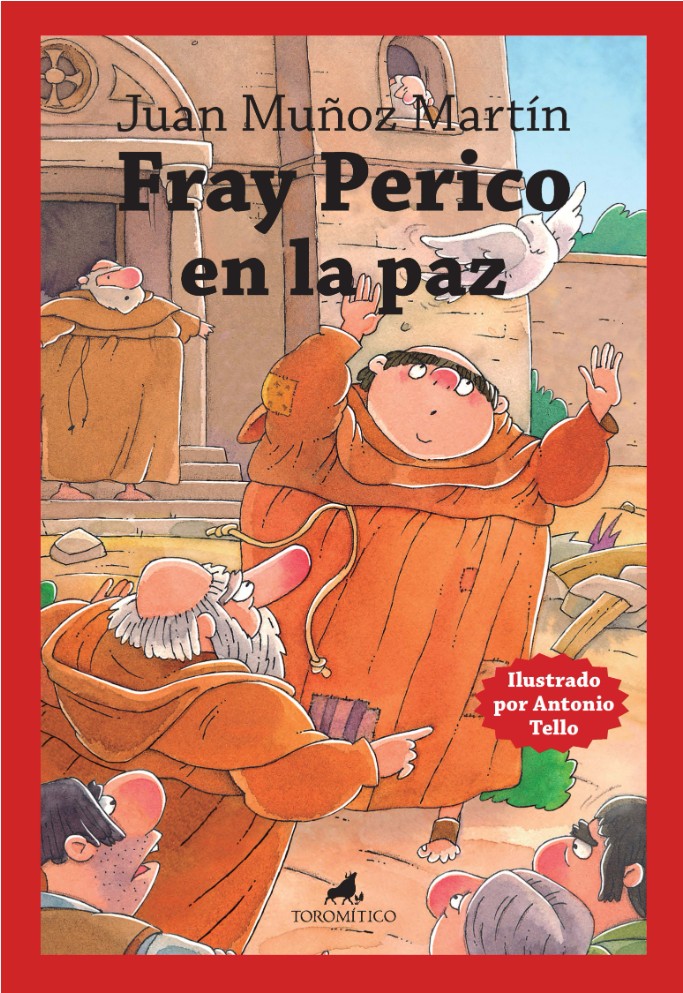
- Representative works: Frye Peric and His Donkey (Fray Perico y su borricoThis work is included in “1001 Children’s Books”.
- status: He is one of the most popular humorous children’s book authors in Spain, and the kind, silly and funny monk he created has become a classic symbol in the reading memories of generations of Spanish children.
| Birth | Juan Muñoz Martín | Juan Muñoz Martín (Wikipedia) |
⚰️ 1885 – Death: Juliana Horatia Ewing
A famous British children’s author during the Victorian era (1841–1885).
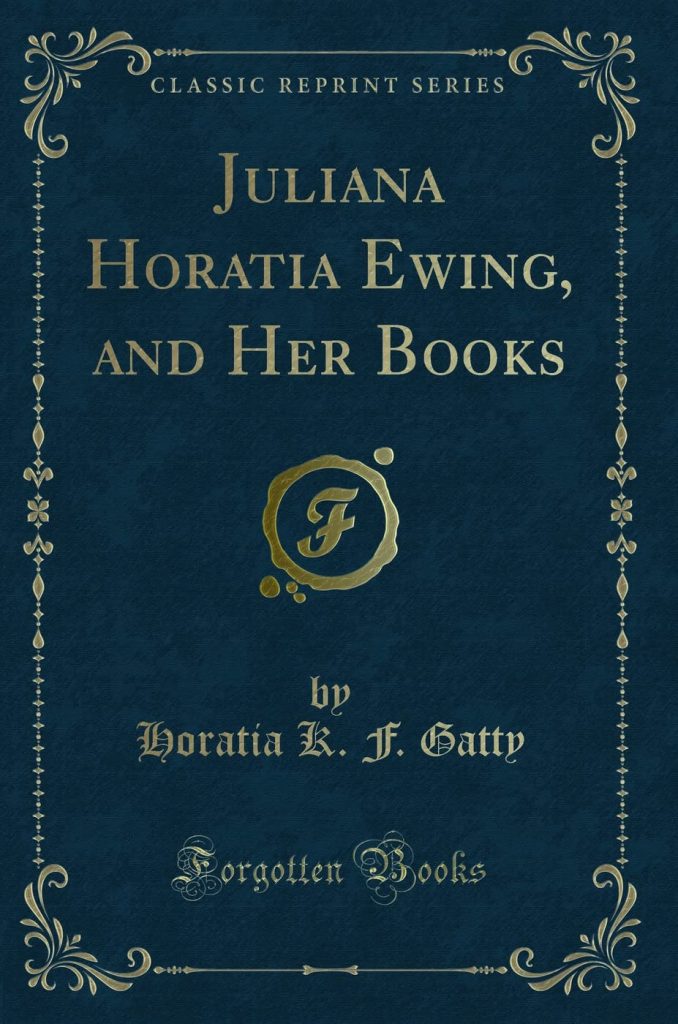
- Representative works: 《Jackanapes, Daddy Darwin’s Dovecot, and Other Stories》.
- Literary status: In the 19th century, when children’s literature was not yet fully developed, Ewing was one of the very few writers who seriously regarded children as individuals with complex emotions. Her stories are full of compassion and offer extremely vivid portrayals of military life and rural daily life at the time.
| Died | Juliana Horatia Ewing | Juliana Horatia Ewing (Wikipedia) |
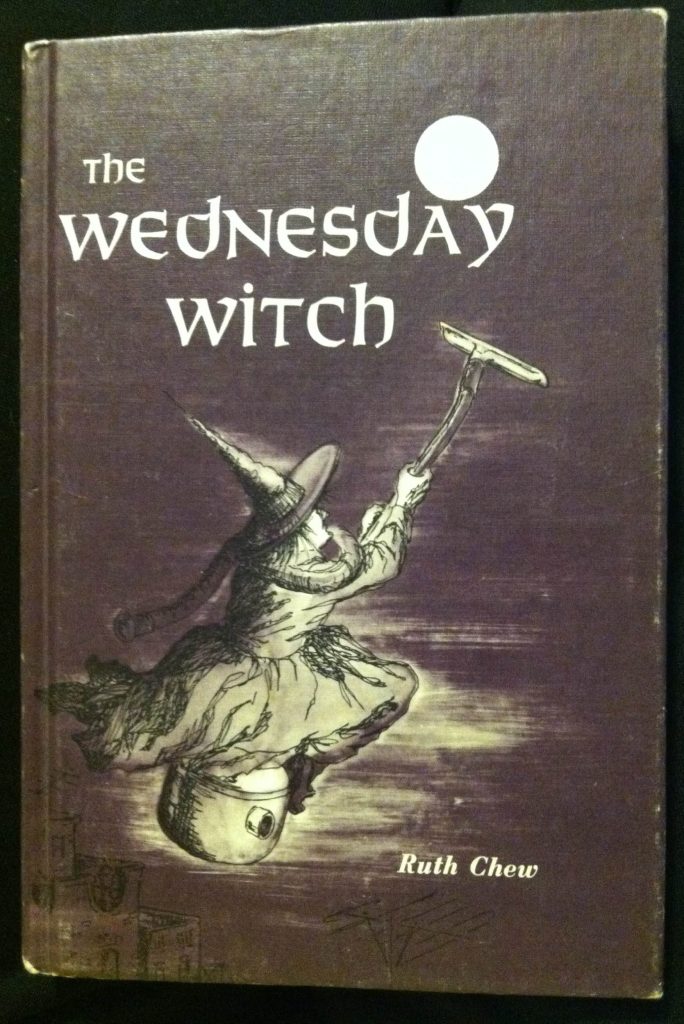
⚰️ 2010 — Passed away: Ruth Chew
American children’s book author and illustrator (1920–2010).
- Representative works: The Witch of Wednesday (The Wednesday Witch)。
- Creative style: Ruth Chu was very good at writing “light fantasy” stories for chapter book readers. Her works were usually set in ordinary daily life, with witches, magic brooms or magical coins suddenly appearing, which was very popular with children from the 70s to the 90s.
| Deceased | Ruth Church | Ruth Chew (Wikipedia) |