For many children, “moving” means leaving a familiar environment, saying goodbye to familiar smells, colors, and a sense of security, and embarking on an unknown journey. This experience is often accompanied by emotional fluctuations and anxiety, and this feeling of unease can sometimes last a lifetime. How to properly manage these emotions and help children smoothly navigate this sometimes unavoidable journey is a challenge that many families must face.
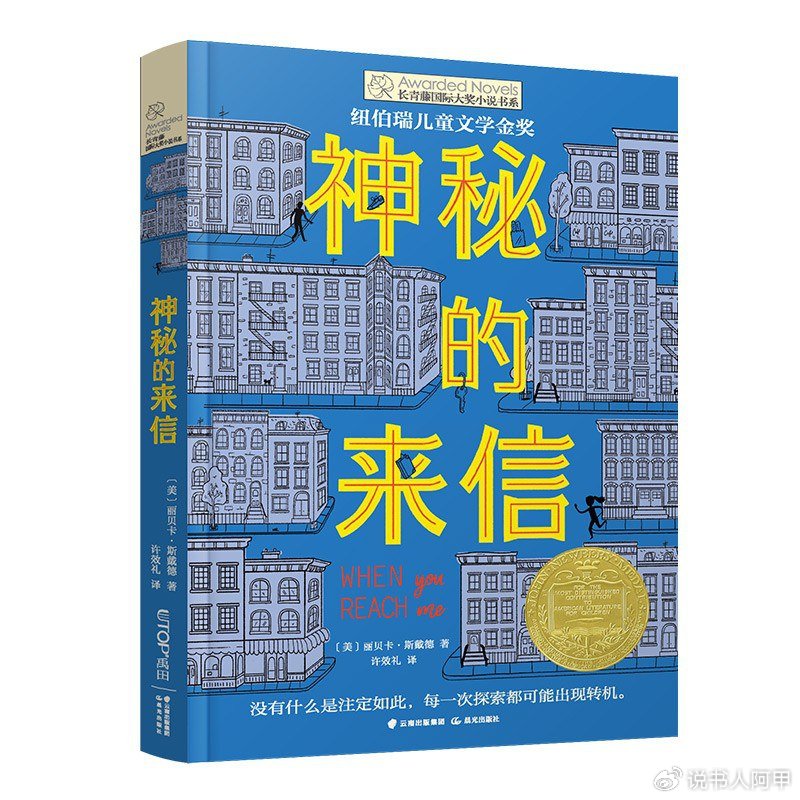
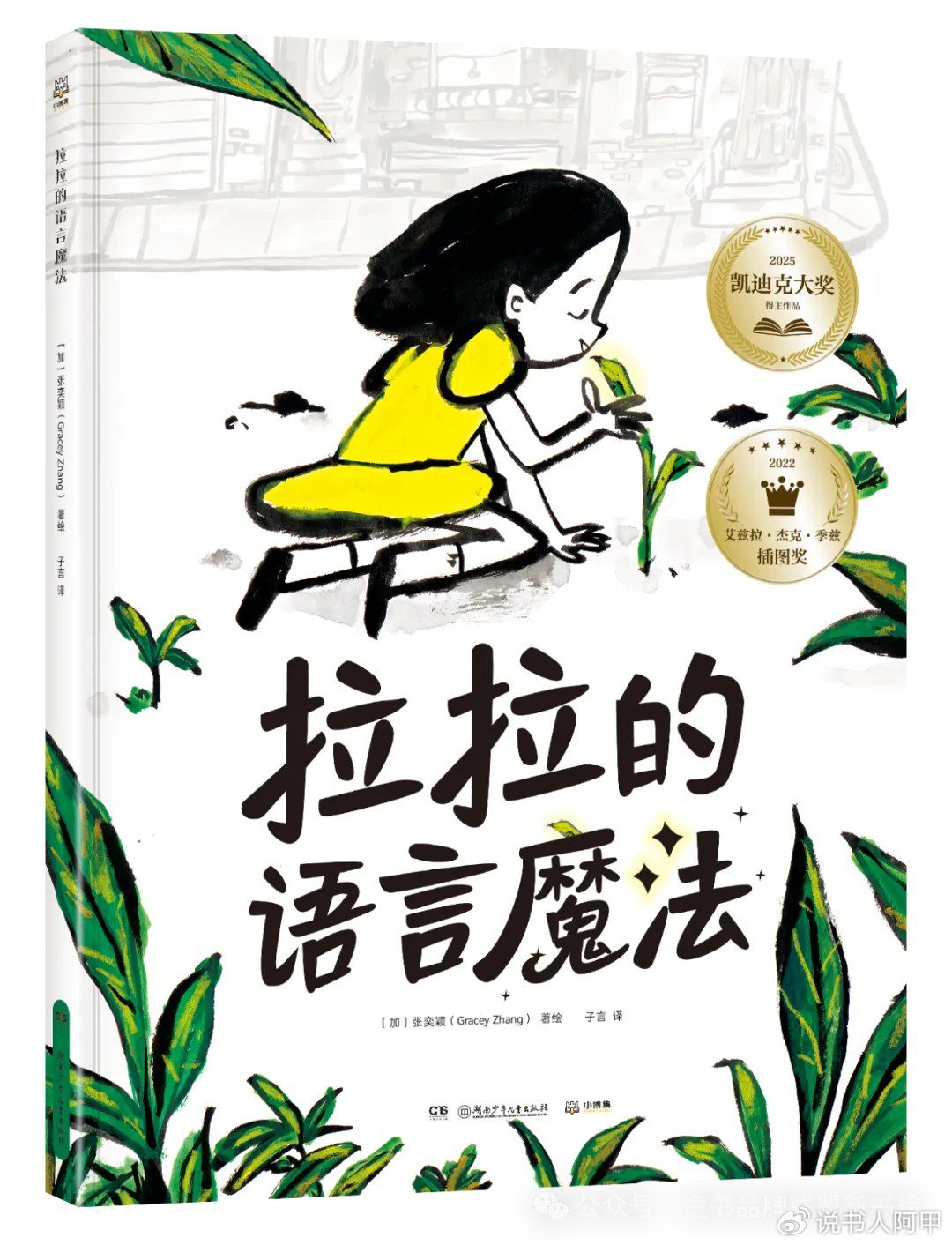
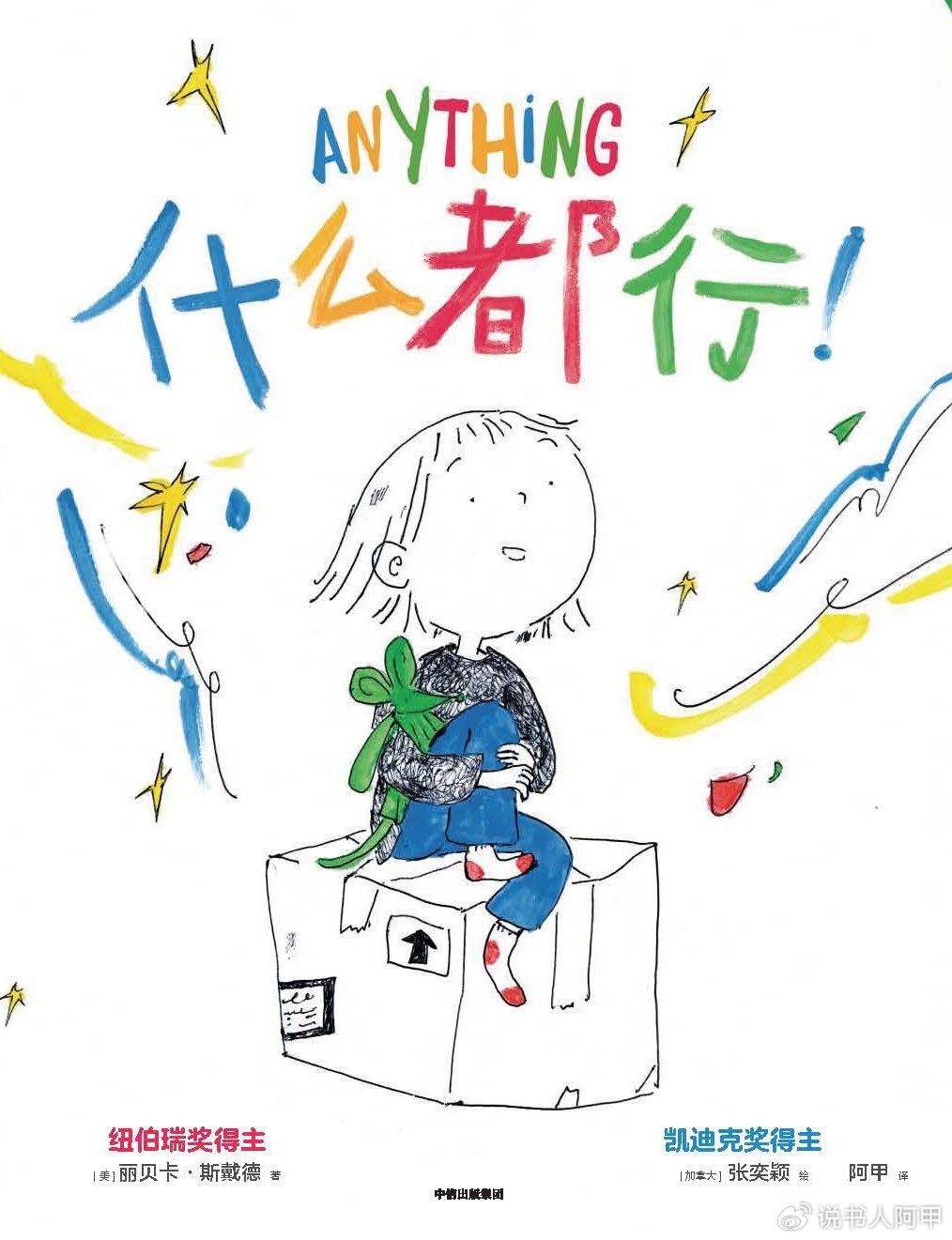
This beautiful and heartwarming picture book, *Anything*, is a collaboration between two heavyweight children’s book creators: author Rebecca Stead is a talented young adult novelist who won the Newbery Medal for *When You Reach Me* and the Guardian Children’s Fiction Award for *Liar & Spy*; and the illustrator is Chinese-American illustrator Zhang Yiying (…).Gracey ZhangIn 2025, she won the Caldecott Honor for *Noodles on a Bicycle*, and her debut illustrated book, *Lala’s Words*, also won the Ezra Jack Keats Award for Best New Artist. In this new book, we encounter a little girl experiencing a move and her caring father. The story, with its delicate and gentle text and illustrations, presents an imaginative “journey home” that takes place indoors, showcasing the unique and healing magic of love and imagination.
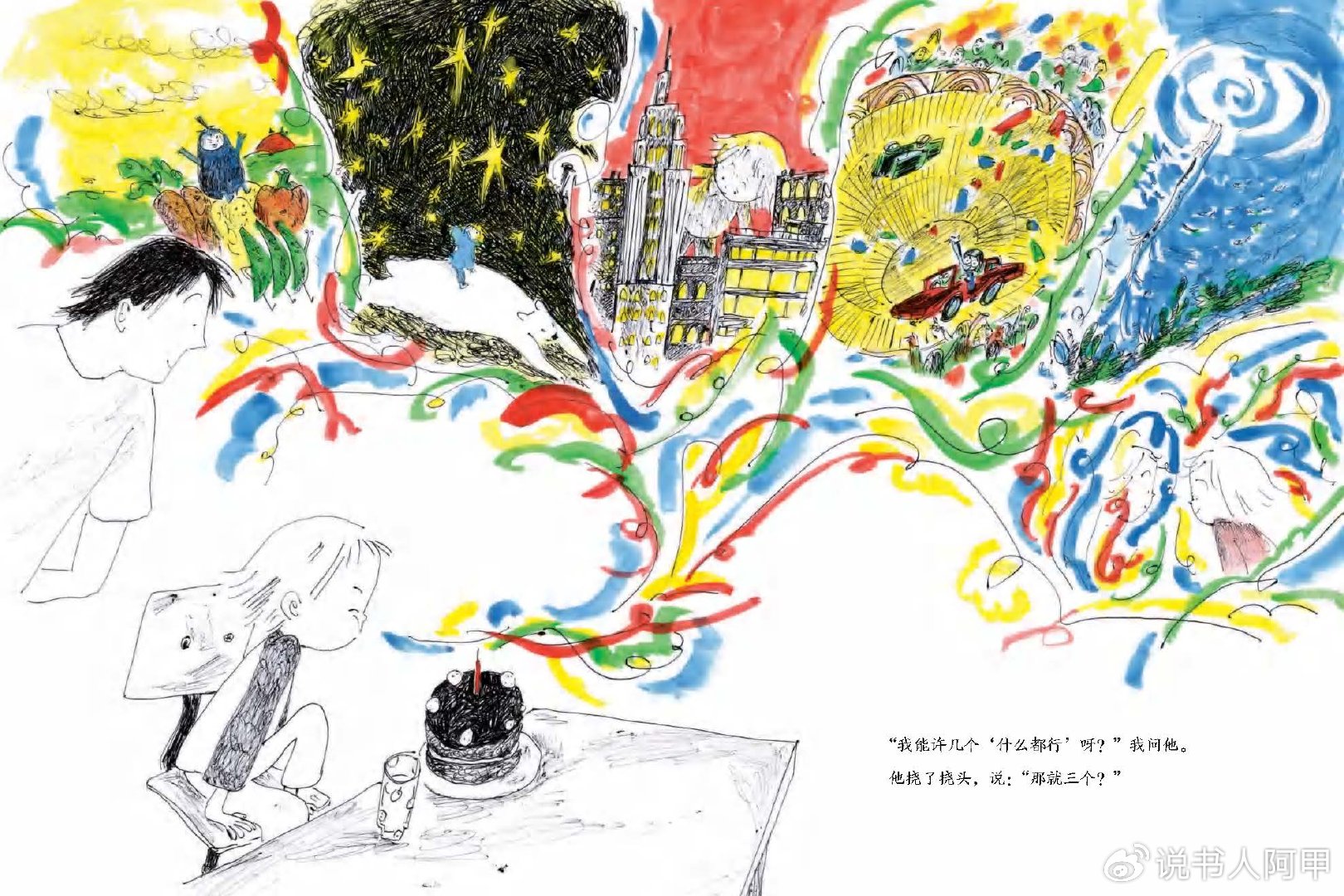
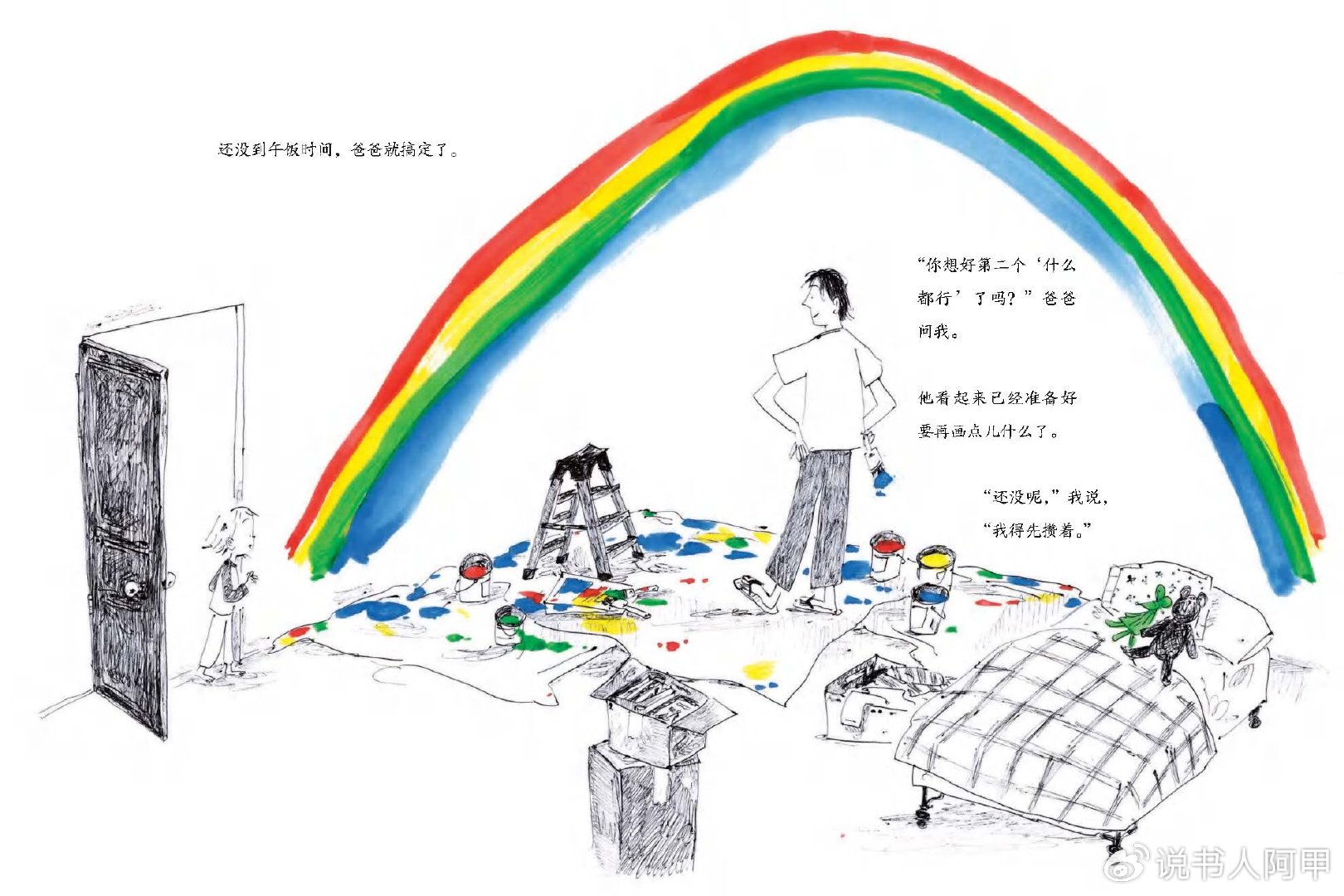
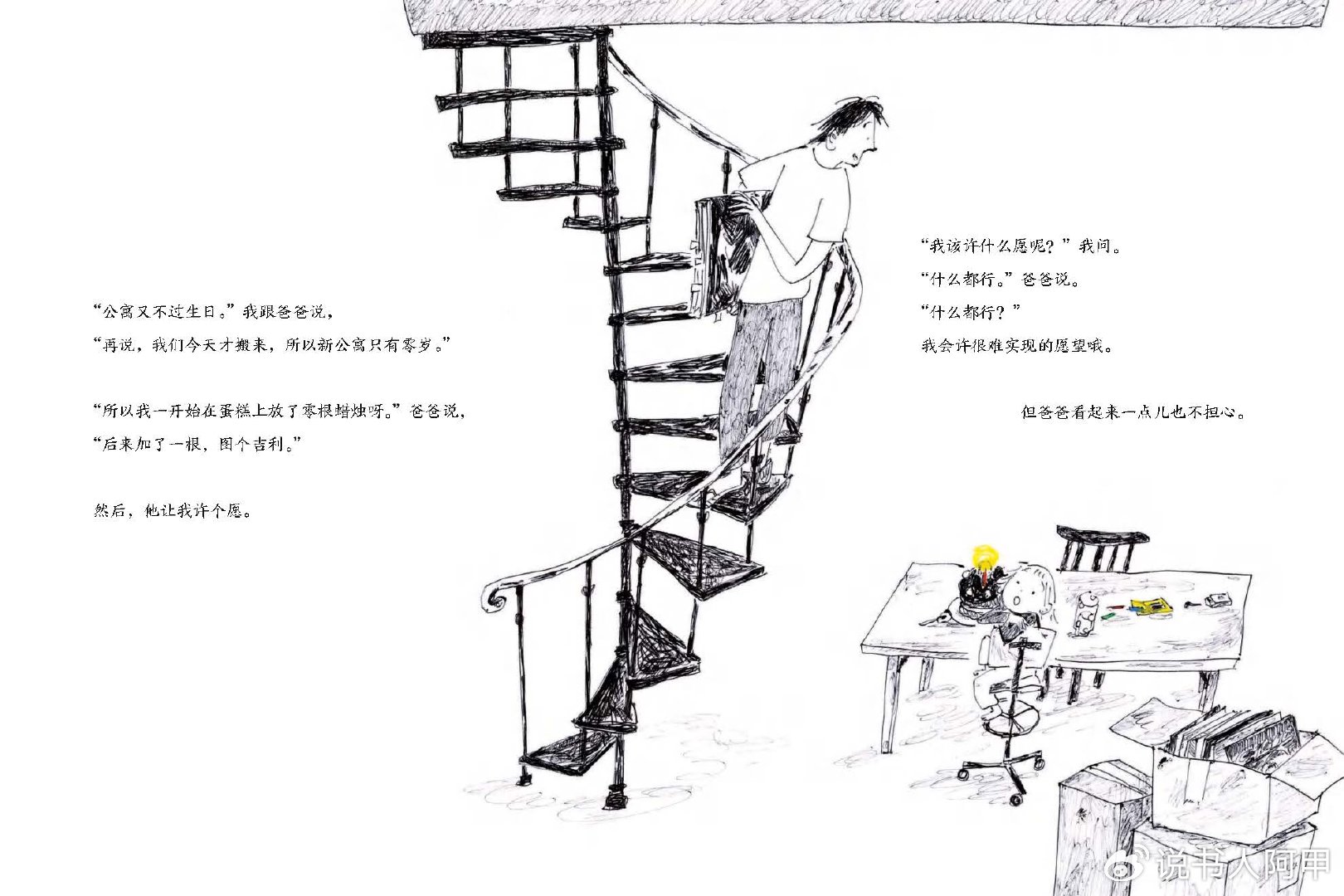
The story begins simply: on the first day of moving, the father prepares a chocolate cake for the new home and tells his daughter that she can make three wishes for anything. The girl first asks for a rainbow, then wishes for the world’s largest pizza, and also hopes that “today is not Thursday”… These wishes seem childish, but behind them lies the child’s effort to rebuild a sense of security—in the empty, unfamiliar apartment, having a rainbow that belongs to her is clearly more effective than any verbal comfort.
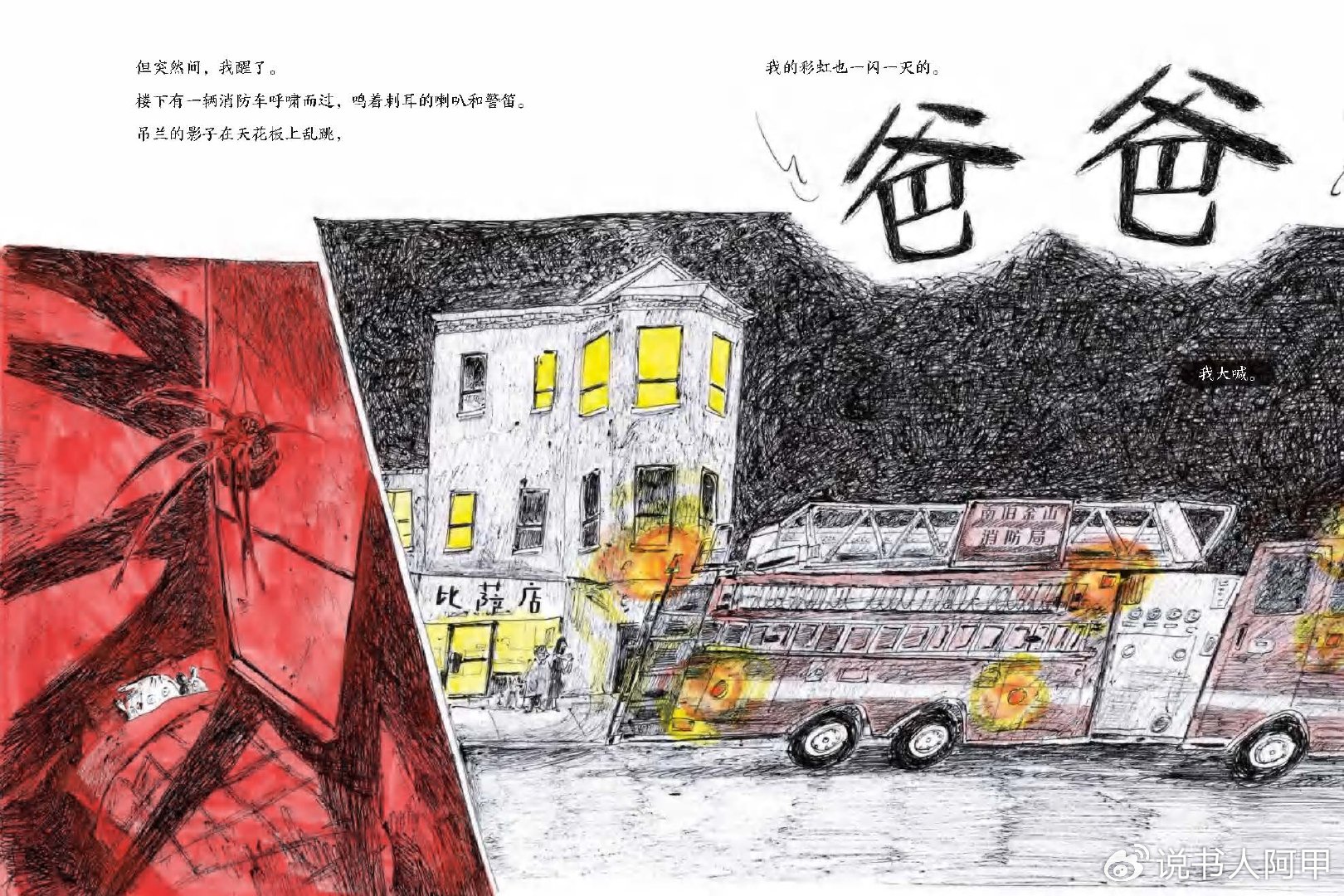
However, beneath this seemingly lighthearted wish, the girl harbored a deeper, unspoken longing: to return to her old home, the old apartment with its large blue bathtub and the pleasantly scented closet. When she was awakened in the middle of the night by the sirens of fire trucks, she finally mustered the courage to express her desire to “go home.” Her father didn’t shy away; instead, he responded with wisdom and tenderness: “The train home is about to depart!” So, he carried his daughter, walking around their new home again and again, completing an emotional journey interwoven with imagination and reality.
This seemingly simple imaginative game conceals a delicate emotional exchange between parent and child and immense healing power. This is precisely the theme Rebecca Steider has consistently pursued in her work: how to find “home” amidst change, and how to transcend the limitations and pain of reality with genuine emotion and imagination.
Actually, when I first read this book, I inexplicably felt a unique bitterness and helplessness. I experienced moving more than ten times as a child, and I know how difficult it is to adapt to a new life in a new place. Fortunately, in most of those moves, the whole family was involved, and there was a joyful side to exploring the new home together. But in *Anything Will Do*, only the father and daughter are there—where is the mother? Is anyone still living in the old house with the big blue bathtub? Why are the father and daughter moving to the new apartment?… When the little girl says, “I want to go home,” I inexplicably thought of the classic film *Kramer vs. Kramer*, where the little boy asks his father (Dustin Hoffman), “Where will my bed be? Where will my toys be?”… I also couldn’t help but think of Sidney Smith’s new book, *Do You Remember?*, which also recounts his experience of moving with his mother when he was eight years old. Both of the latter stories point to divorced and broken families.
As it turns out, I wasn’t overthinking it. In her creative interview, Rebecca frankly admitted that the idea for this story came from her own upbringing. Rebecca’s parents did indeed divorce when she was young. Her mother stayed in their original apartment, while her father moved out with her, and they continued to move several times afterward. However, both parents deeply loved Rebecca and agreed to share the responsibility of caring for their daughter’s upbringing as much as possible. Therefore, her father’s new apartments were always not far from her mother’s, generally within walking distance, and Rebecca often traveled between the two.
As a writer born and raised in New York City, her debut novel, *First Light*, and her first picture book, *Anything Will Do*, were written around the same time. While the two stories differ in form, their core themes are quite similar: both are about how growing children find emotional support and security amidst change and uncertainty. Her second novel, *The Mysterious Letter*, which won her the Newbery Medal, features Miranda, a sixth-grade girl growing up in a single-parent family. Through the narrative device of “time travel,” and drawing parallels to Miranda’s (and Rebecca’s) favorite classic, *A Wrinkle in Time*, she seems to be expressing a longing for a complete family. The concept of “home” takes on a more symbolic meaning through this experience of traversing time and space.
Novels and picture books are not opposing forces in her creative journey, but rather two sides that reflect each other: novels explore a more complex, rational, and diverse world, while picture books touch the hearts of younger readers in a more concise and emotionally direct way. The wish ritual used in “Anything Will Do” demonstrates, in a way that children can directly perceive, how love and imagination work together to pave a smooth path for the growing mind.
Published in 2007, *The First Light* includes a dedication that reads: “Dedicated to my mother, Deborah, whose love warmed the coldest corners of the world; and to my father, David, the ever-steadfast guardian of faith.” Judging from Rebecca’s heartfelt dedication to her parents at nearly forty years old, she fully understands their choice, and they could perhaps serve as role models for divorced parents. However, it seems Rebecca still has something to say, something she needs to let go of.
Back in 2006, she had actually completed the first draft of her picture book, *Anything Will Do*, and was actively seeking publication opportunities. Interestingly, while she was making great strides in her novel writing career and winning numerous awards, her picture book manuscript was repeatedly rejected. She must have cherished this story deeply; perhaps it expressed too much of her own thoughts. For nearly 20 years, she continued to polish it and seek publication opportunities. Until one day, a wise editor she met gave her a very insightful suggestion:Although it’s a very touching story, it touches on two things: a child moving and parents divorcing. Perhaps we could choose to focus on just one of them? Great picture books often only tell one story, right?—Rebecca felt enlightened and decisively chose the former, allowing more potential young readers to find connections with their own experiences in the story.
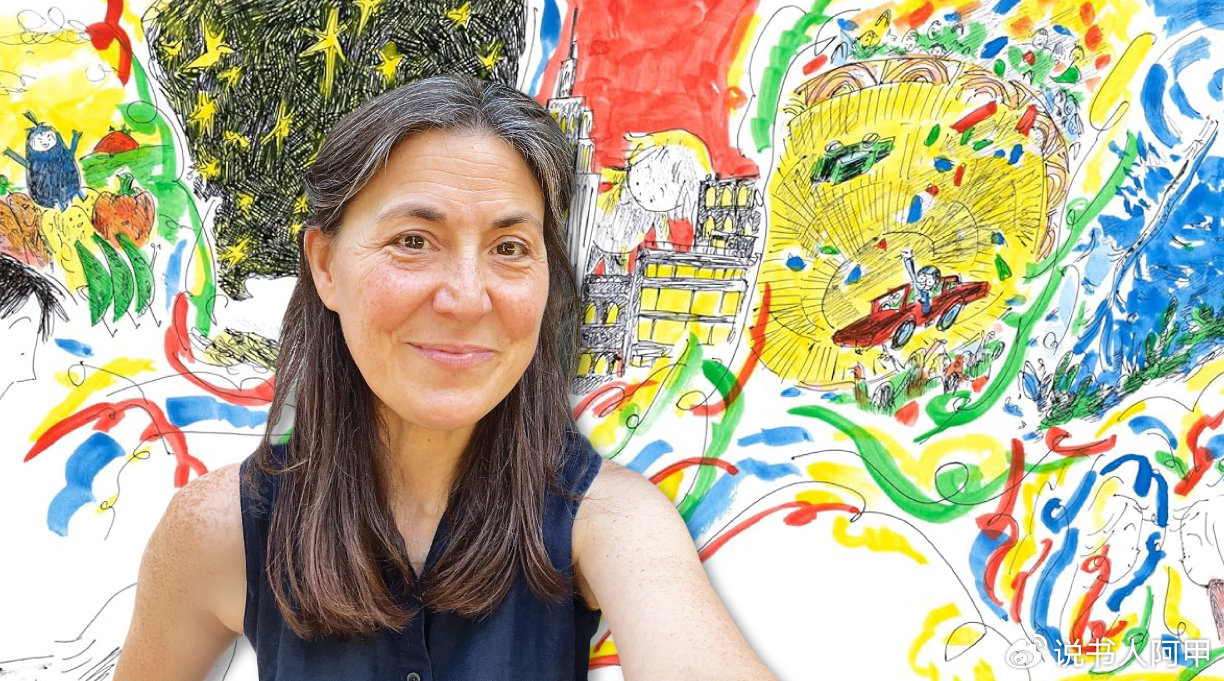
With the editor’s help, Rebecca was fortunate enough to meet the perfect visual collaborator for this story—Canadian-Chinese illustrator Zhang Yiying. Zhang Yiying’s skillful and flexible use of color leaves a deep impression. In her representative work, *Lala’s Language Magic*, she successfully showcased the vibrant and imaginative world of the little girl Lala, and delicately portrayed the complex and subtle bond between Lala and her mother. During the creation of this book, Rebecca felt that Zhang Yiying’s illustrations possessed a dreamlike and magical effect, while the editor remarked that she “excels at bringing warmth and wonder to complex and rich concepts.” As it turned out, she was indeed the best choice to illustrate this story.
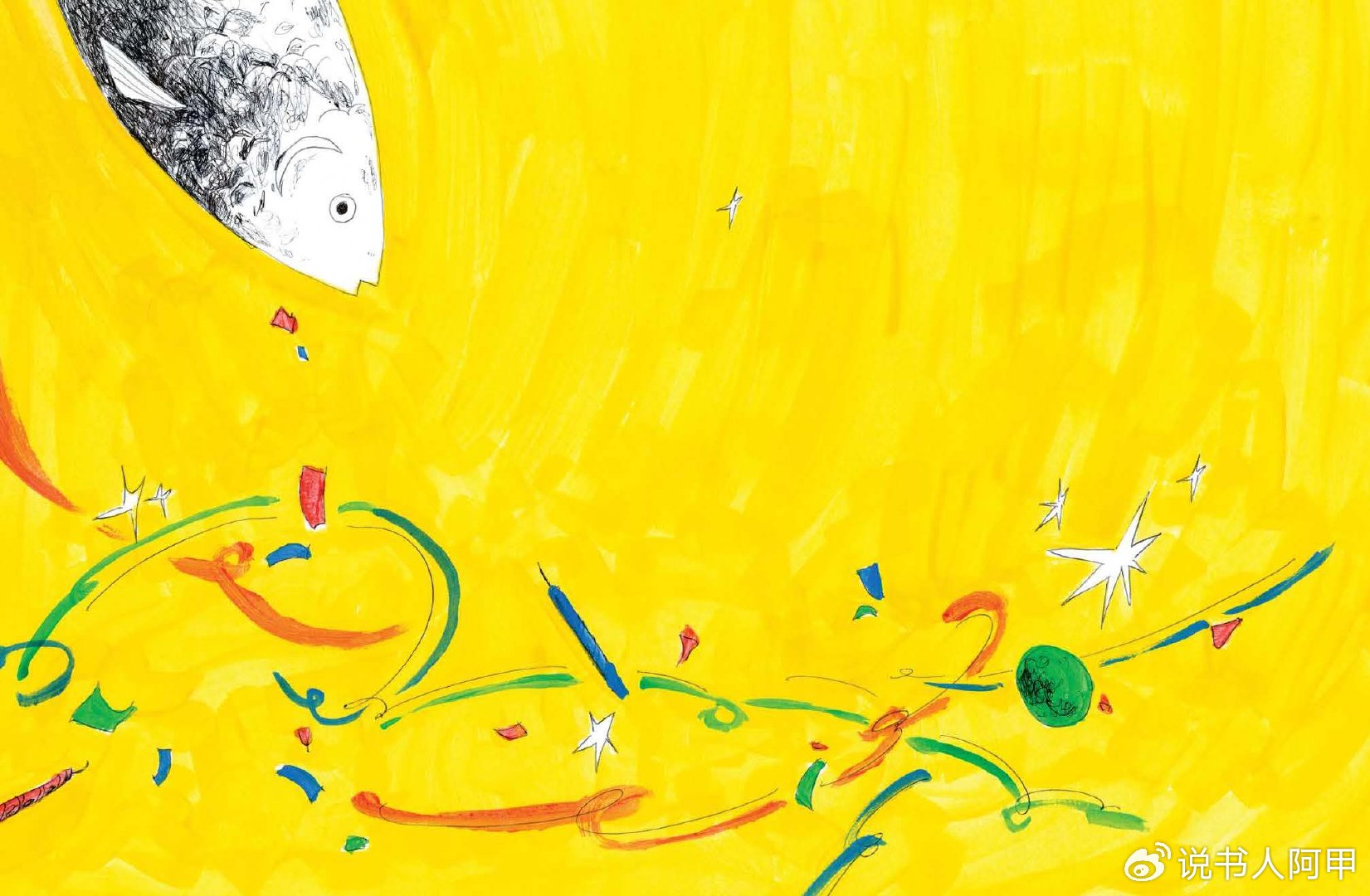
Zhang Yiying’s illustrations cleverly enhance the power of the text in “Anything Is Fine.” She uses color variations to reflect the characters’ emotional fluctuations: when the father and child interact happily, vibrant colors are “splashed” across the page, creating a dazzling effect; when the child feels scared or sad, the illustrations shift to white space, pale colors, or darker hues, as if the colors have faded from the page. The large areas of white space and the simple, clear colors clearly depict the little girl’s emotional trajectory: from the initial unfamiliarity and coldness of her new home, to the warmth and richness she imagines, and finally to the peace and stability after accepting reality. In particular, the gradual spread of warm colors throughout the new home seems to represent the process of inner security being built little by little, directly and emotionally presenting the meaning of this journey home.
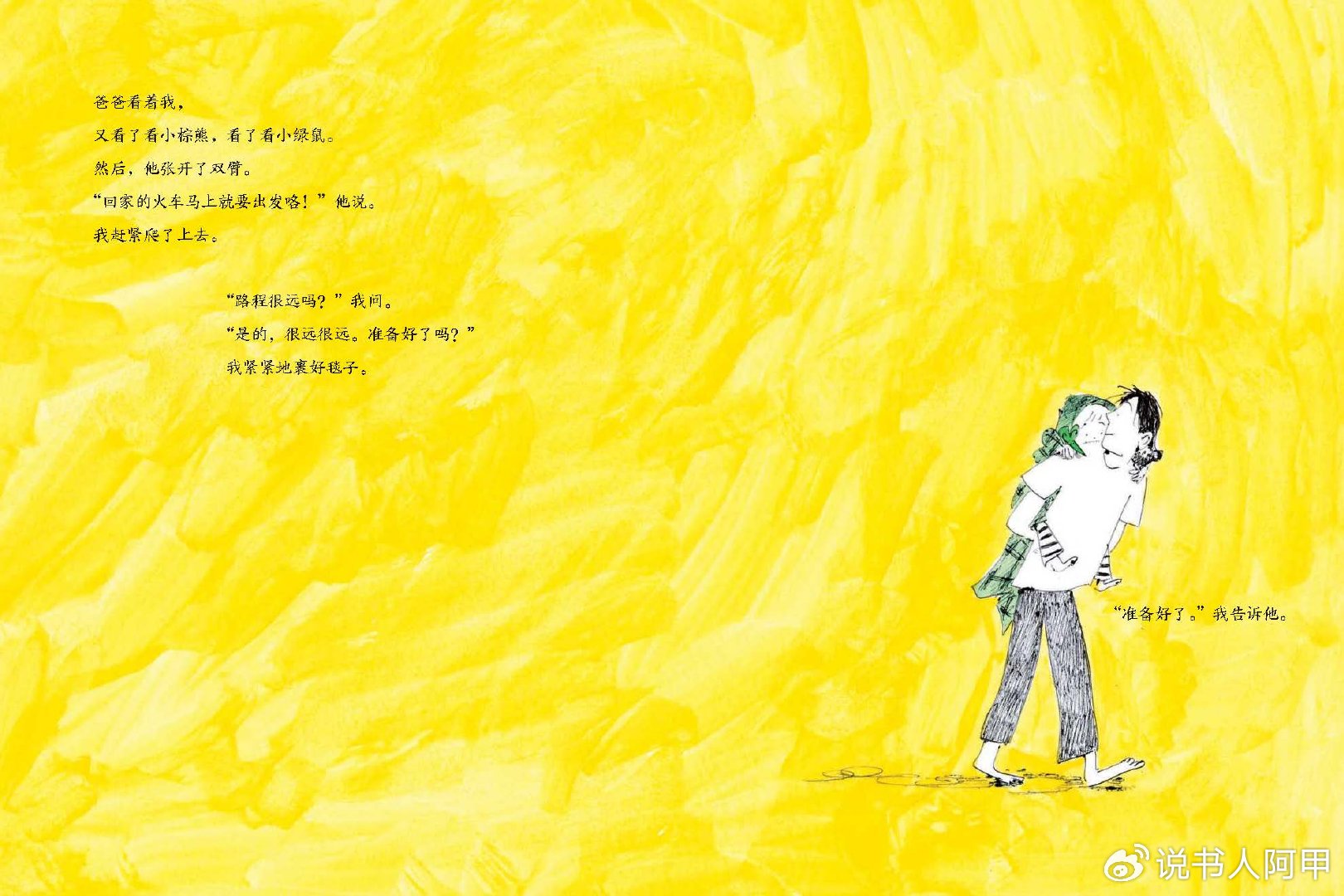
The father’s creative “home train” game is the most vibrant and heartwarming highlight of the entire story, and it’s also highly symbolic, seemingly challenging or expanding the traditional definition of “home.” “Home” is more than just a physical space; even a newly moved-in apartment, because of the father’s love and effort, ultimately becomes “home” through the infusion of love. This isn’t simply about solving problems, but about creating a sense of home through emotional connection and companionship. “Home” is a source of security and emotional support. Whether it’s the anxiety of a new environment or the challenges of facing life’s changes, “home” provides the safe foundation needed to cope with difficulties.
For Rebecca, now a mother of two boys, despite experiencing numerous moves during her childhood, perhaps she was trying to express a special understanding of “home” and deep gratitude for her considerate father. In the interview, Rebecca said, “My dad and I moved many times, but he always put in a lot of effort to make each move special… In real life, I did wish for a rainbow in my room. I remember my dad actually did it—he painted a rainbow all over the room. At the time, I thought it was crazy and outrageous.”“
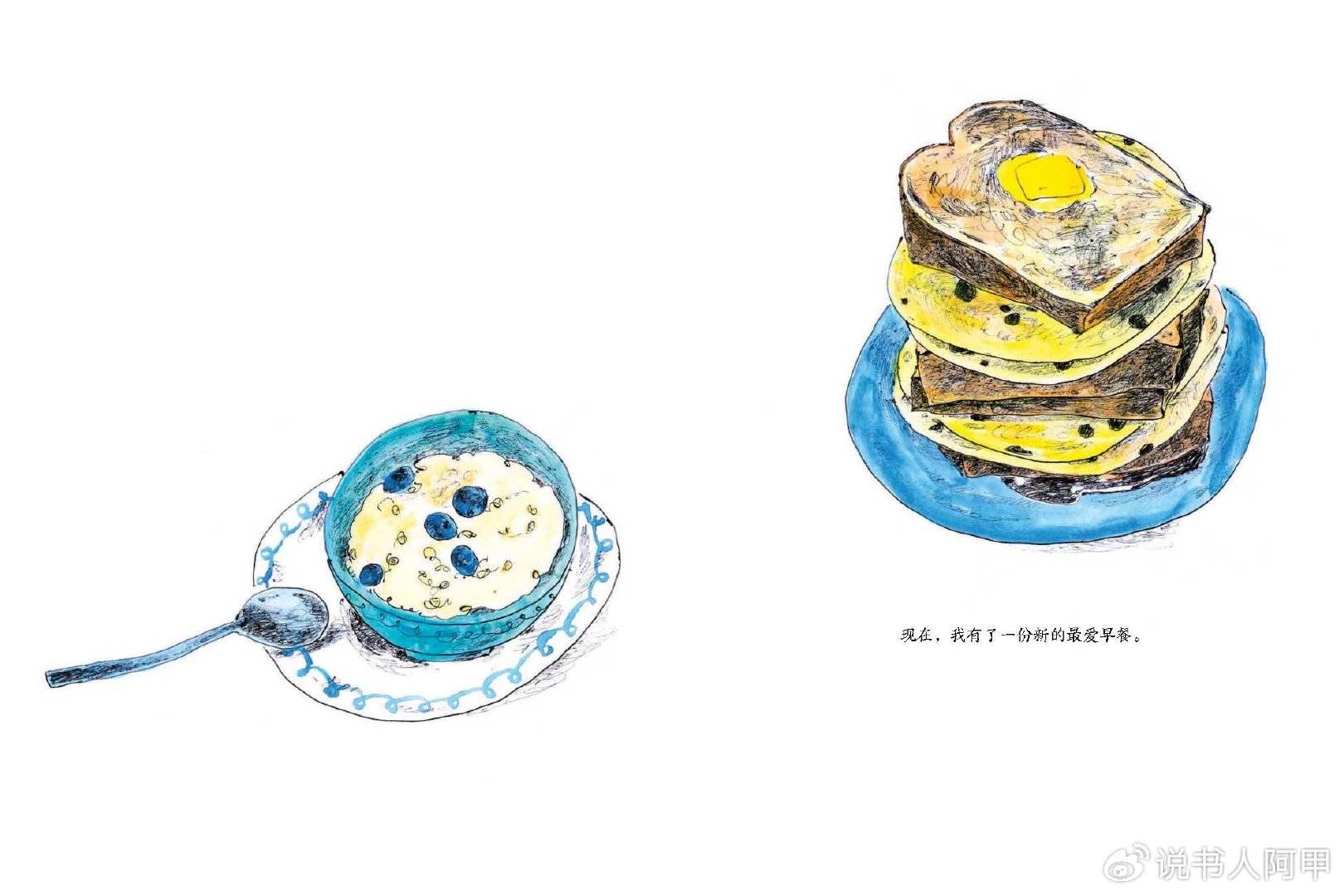
“Anything Will Do” is not just a story for children; it also evokes memories and emotional resonance in every adult reader, reminding them of their own childhood. Everyone has had similar experiences of “wishes,” and everyone has gone through the search and struggle for security and belonging. Reading this book, adult readers may also realize that the deepest connection between parents and children is often not about grand promises or material gifts, but about the patience and sincerity with which parents stand by their children through emotional ups and downs.
Whether for families experiencing a move or other significant changes, or for adult readers seeking a deeper understanding of children’s inner world, this book offers invaluable spiritual strength. It reminds us that true homecoming is not simply arriving at a fixed location, but rather achieving reconciliation between the inner self and reality—a reconciliation that requires the combined efforts of love and imagination.
Written by A‑Jia on May 25, 2025 in Beijing