I remember watching the movie “My Memories of Old Beijing” when I was a child, and I especially loved the part where Yingzi reads the text aloud—“Let’s go see the sea! Let’s go see the sea!” Although there was no sea in the movie, I felt as if I could already see it. I really wanted to go to the blue sea right away, raise the white sails, and watch the golden sun rise from the sea…
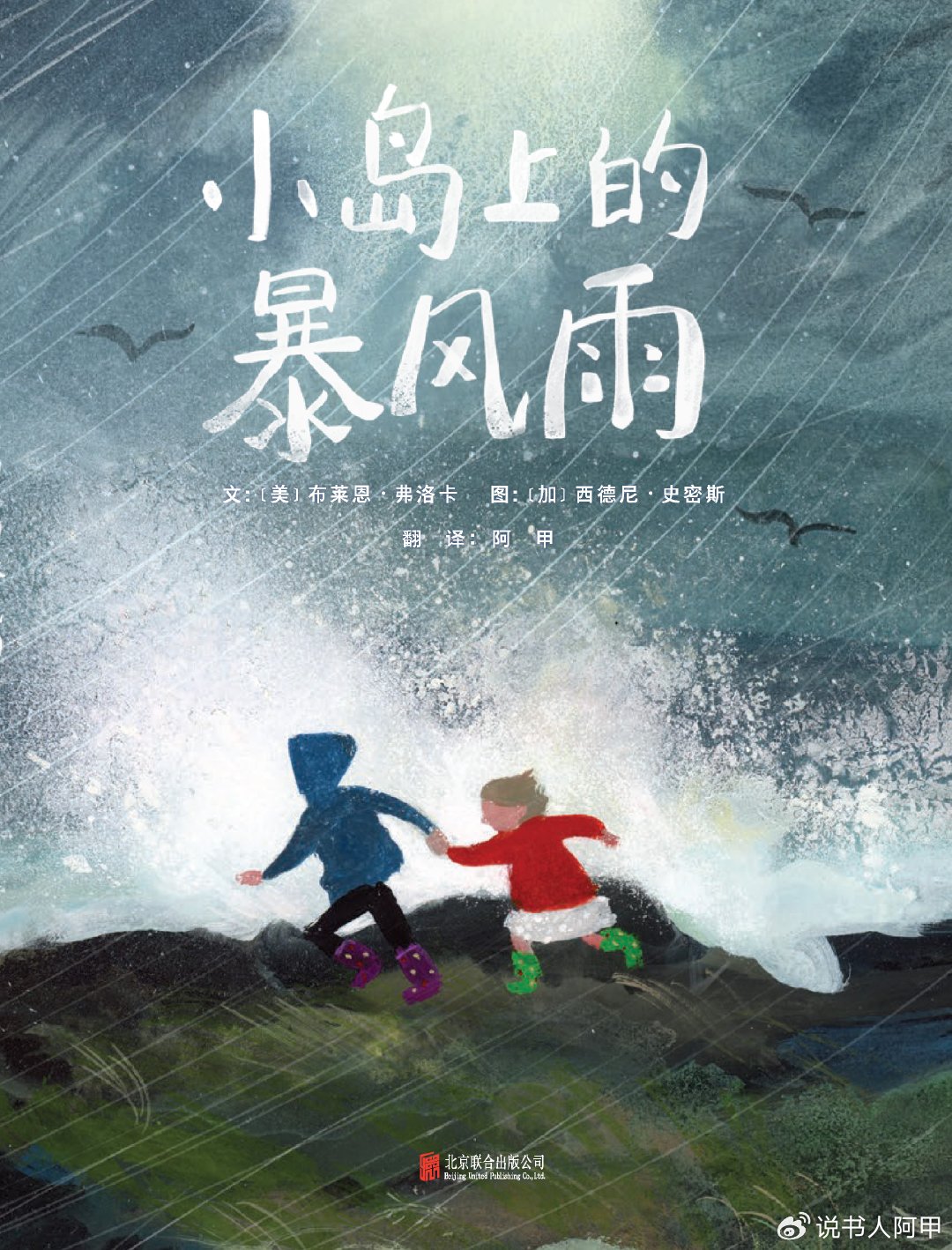
Reading “The Storm on the Island” now feels like reliving that youthful feeling. The unpredictable power of nature can stir up excitement and joy. Even though the wind is rising and the thunder is approaching, we refuse to hide, drawn by that primal, slightly dangerous mystery. The boy puts on his windbreaker and rain boots, grabs his sister’s hand, and says, “Before the storm comes, let’s go see the sea!”
This work captures a universal childhood experience, depicting, with poetic prose and dynamic illustrations, the story of children being summoned by nature to explore the seaside and feel the immense power of nature before an impending island storm. The author, Brian Floca, is an acclaimed Caldecott Medal winner, while the illustrator, Sydney Smith, is a recent recipient of the Hans Christian Andersen Award. The collaboration of these two creators at the peak of their careers has made this work highly anticipated from the outset, foreshadowing a multi-sensory reading journey about nature, courage, trust, sibling bonds, and family love.
The adventure of growing up and the warmth of companionship
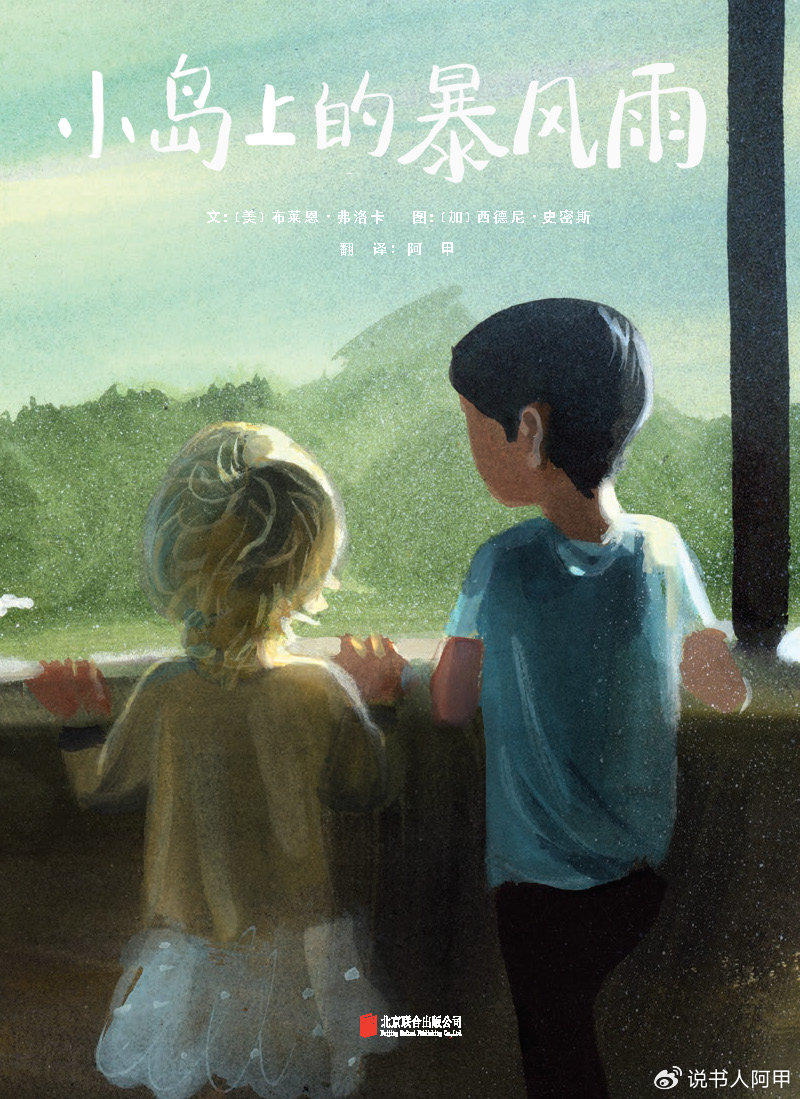
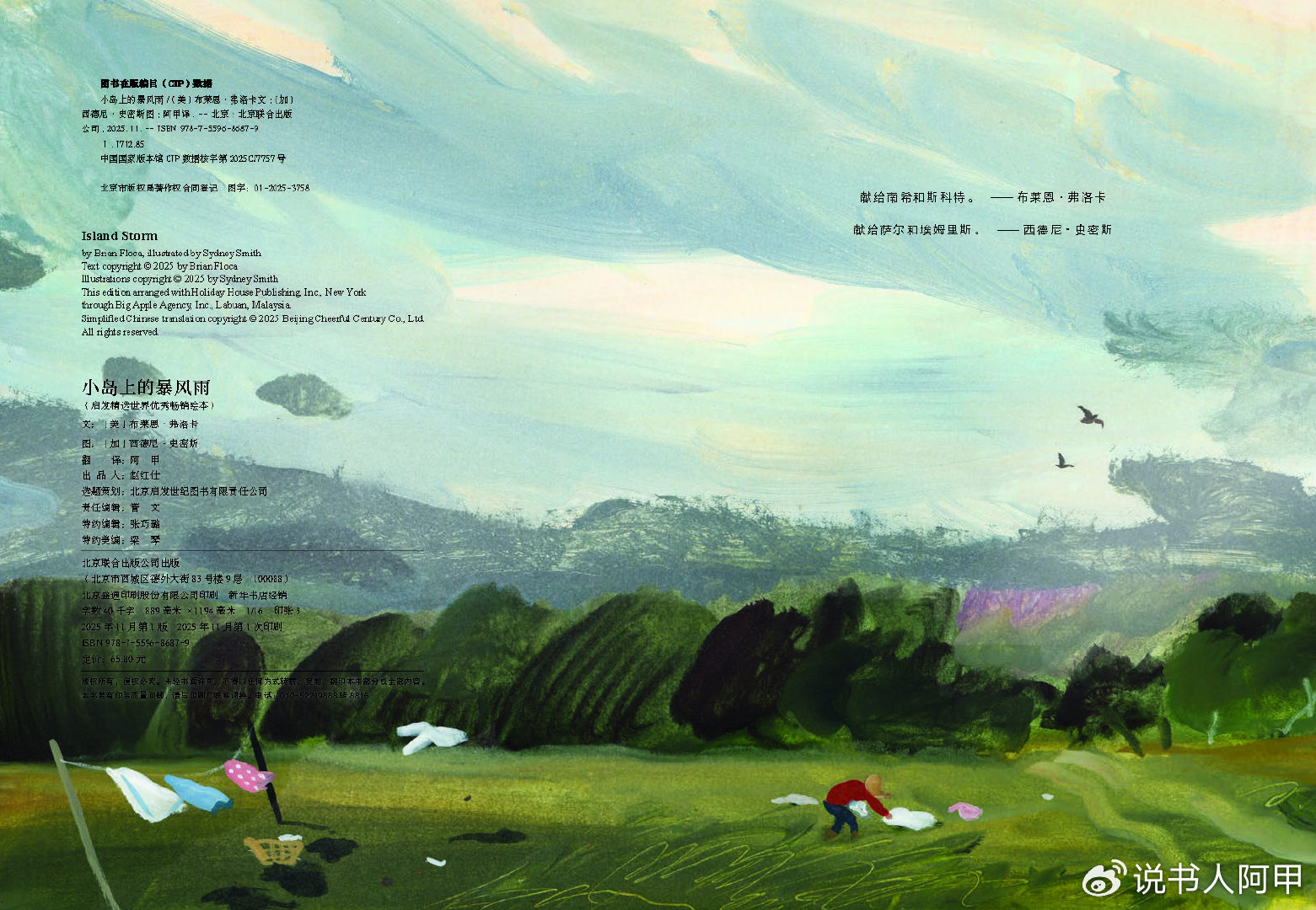
Chronologically, the story should begin on the title page: a brother and sister stand comfortably by their window, enjoying the bright afternoon sun outdoors—a warm and lovely scene, but perhaps a little “boring”—at least for the boundless energy of childhood. So, when we turn to the copyright/dedication page and see a sudden gust of wind and their mother scrambling to gather clothes blown away, we’re probably not surprised. The siblings immediately decide to go on an adventure, clearly without their mother’s permission!
The author, speaking from the older brother’s perspective, says, “Come, take my hand,” pulling his sister along a gravel path through the woods towards the shore. Together, they feel the rising wind and the crashing waves. As the storm approaches, the sky darkens, the waves surge, and the wind howls. Despite their neighbors’ warnings that “you’d better go home!”, they repeatedly ask, “Is this enough, or should we go a little further?” and firmly reply, “You hold my hand, I hold yours, we’ve decided to keep going.”
This poetic experience and Q&A is full of meaning—the primal and profound connection between humanity and nature is clearly revealed through the child’s curious and awe-inspiring adventure. The child’s repeated choices to “go further” when faced with such danger, that nonchalant courage to “experience everything,” can also be seen as an inner resilience in the face of the unknown and fear—a truly precious quality in the process of growing up. In this sense, isn’t growing up simply experiencing a magnificent adventure in the wider world?
In this story, amidst increasingly dangerous circumstances, the brother and sister cling tightly to each other. The recurring phrase, “You hold my hand, I hold yours, we’ve decided to keep going,” not only propels the plot forward but also symbolizes their unwavering mutual support and trust. The mother, who appears at the end, is also crucial. She represents home, a symbol of boundless love and acceptance—“a loving and reassuring home. A home where you might be blamed! A home where you can be forgiven.”“
So, the day after the storm, Mom let her two children go to the beach to explore again. This time, however, Mom personally accompanied and watched over them.
The Poetic Power of Words and the Sensory Impact
Brian Floca, who won the Caldecott Medal for *A Locomotive*, also left a deep impression with his two other self-written and illustrated books, *The Moon Landing* and *The Lightship*. It turns out that before studying art and specializing in illustration, he also majored in history. As a creator skilled in both writing and illustration, he showcased his literary prowess to the fullest this time. While *The Storm on the Island* isn’t entirely rhymed poetry, it possesses a strong rhythm, is poetic, and full of evocative details, making the entire story particularly suitable for reading aloud.
Floca’s writing, like a camera, captures every subtle detail before the storm, fully engaging the reader’s hearing, touch, and sight. Children walk on the gravel path, making a “clattering” sound; when the wind rises, “branches collide with each other, thump, thump, thump!”; when the giant waves crash against the shore, they “bang” and “explode”… These images, combined with the visuals, directly impact the reader’s senses, creating a powerful sense of presence. On the page depicting the waves, the original English text also blends end rhymes (stone, bone) and alliterations (weathered, wound, water), making the reading experience like singing, which presented a significant challenge for the translator.
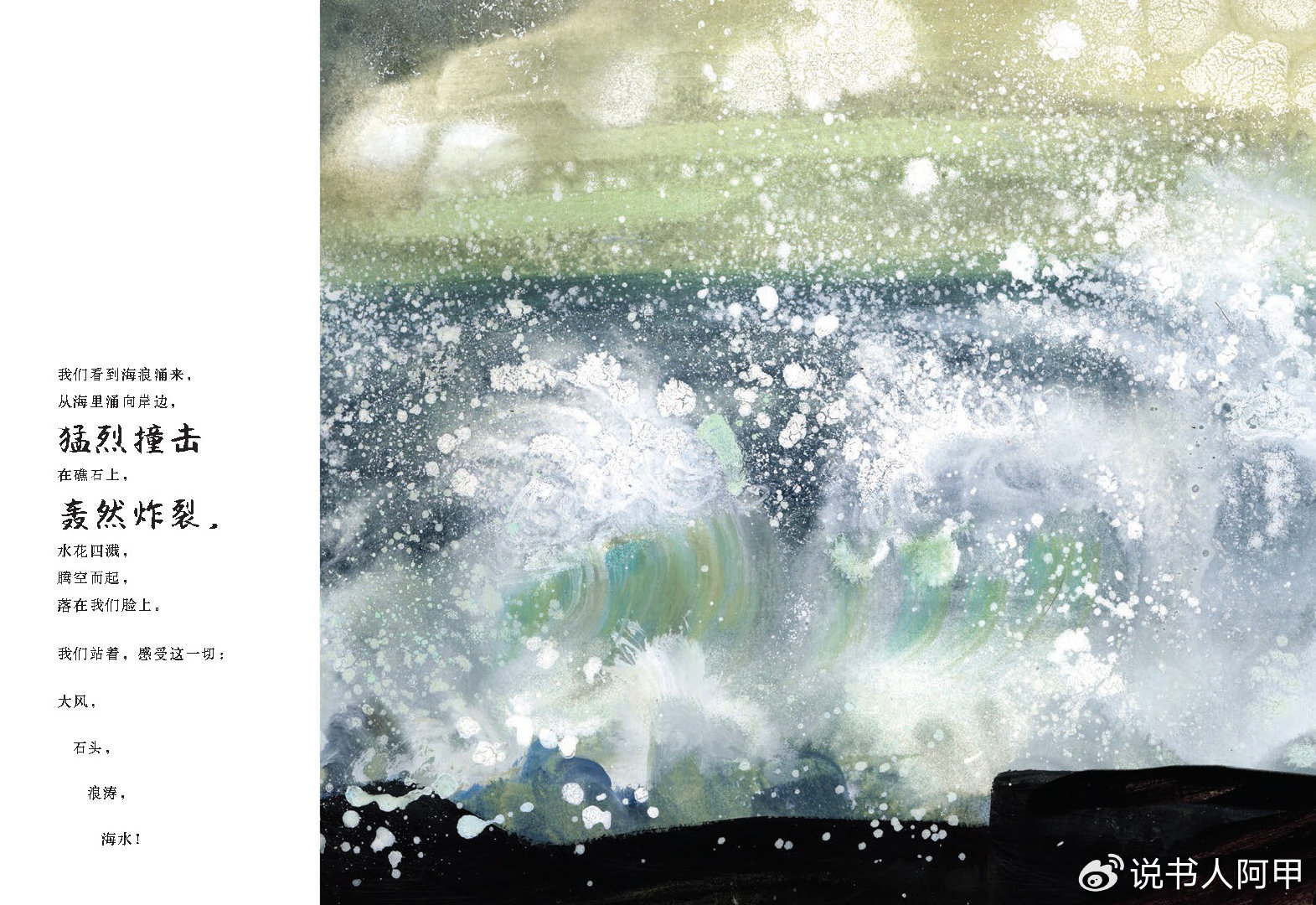
Floca precisely controls the story’s rhythm through the alternation of short and long sentences. When the plot is tense, short, powerful sentences like “Bang!” and “Run!” create a whirlwind-like experience; while in calmer narration, longer descriptive sentences are used to slow the pace. The recurring use of refrains is another highlight; the siblings’ repeated self-questioning and answering not only strengthens the story’s structure and rhythm but also acts like a “rhythmic incantation,” profoundly conveying their determination and perseverance to support each other through thick and thin. Once the children are safely home, the text returns to a calm and warm tone. This skillful control of rhythm allows readers to experience the story’s ups and downs firsthand.
Poetic and dynamic visuals
If “The Tempest on the Island” is a brilliant and thrilling ballet, then Sidney Smith is arguably the most dazzling star of the show. With his unique artistic vision and exquisite painting skills, he brings amazing visual life to this picture book.
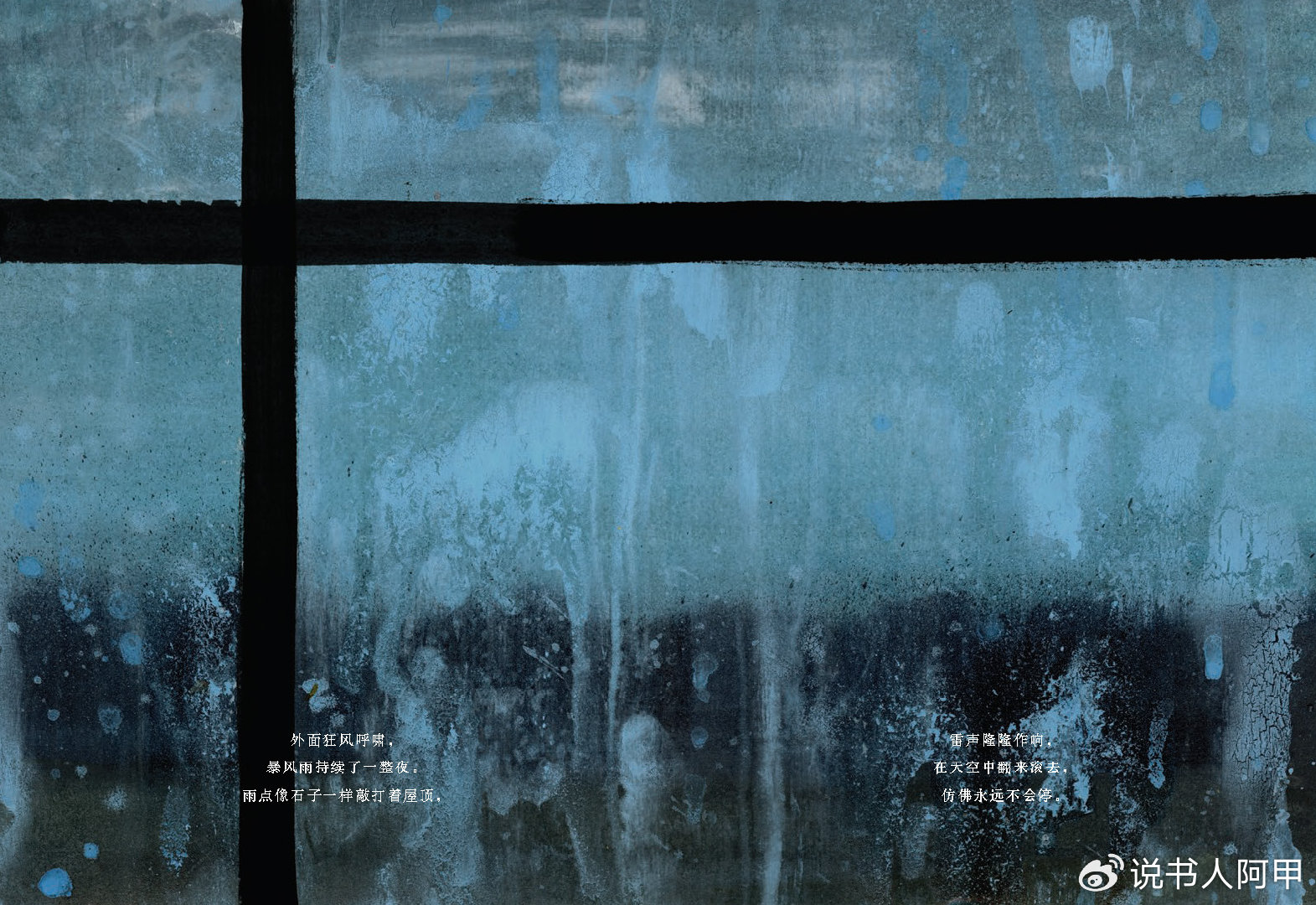
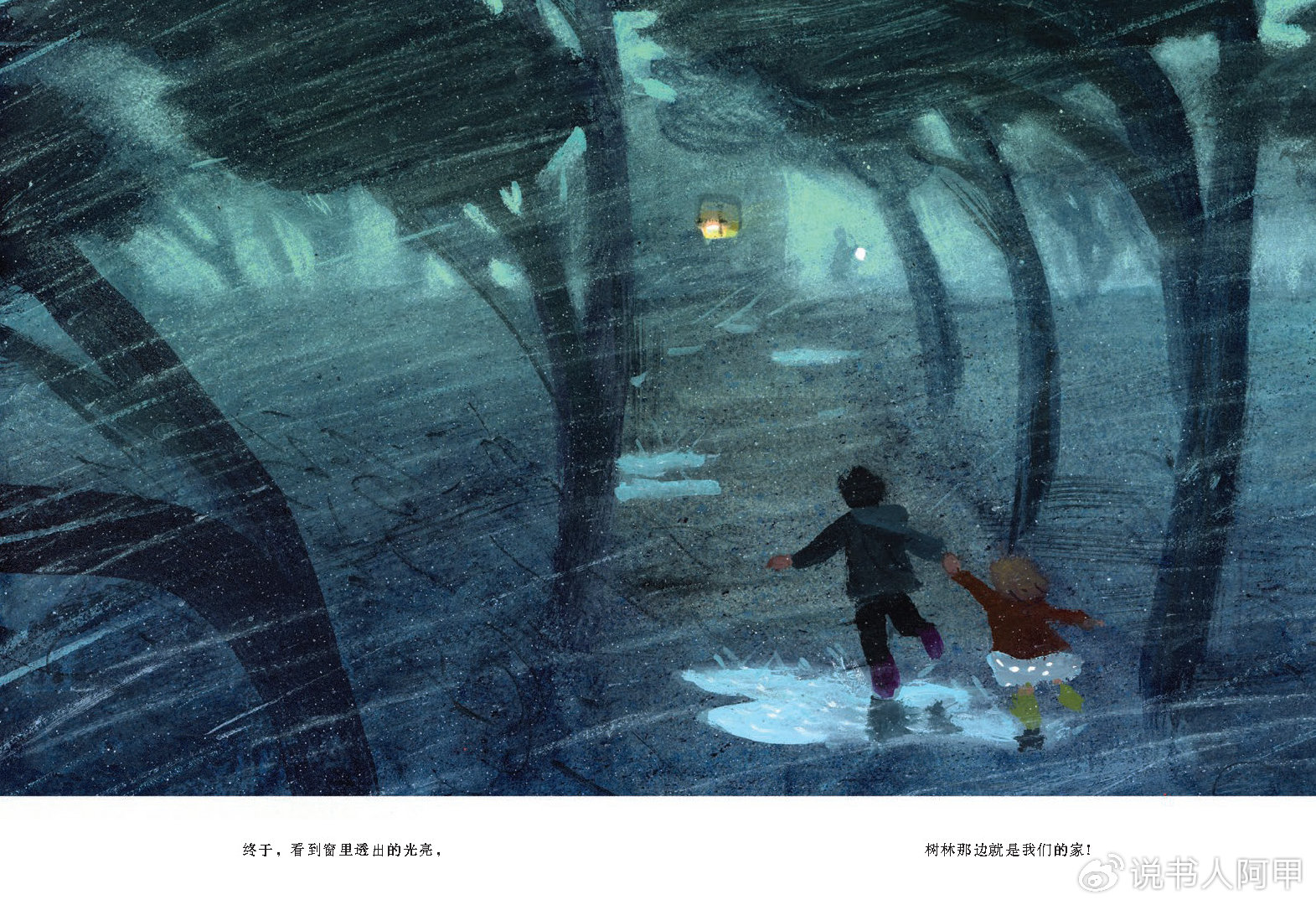
The illustrations in this book follow the style of his representative works such as *I Speak Like a River*, *Grandma’s Vegetable Garden*, *Big City, Little You*, and *Do You Remember*, characterized by impressionistic, loose brushstrokes, with the interplay of light and shadow guiding the flow of emotions and feelings. He uses watercolors and thick gouache, with broad brushstrokes and splashes of paint creating a dynamic and powerful beauty of storms. Waves, clouds, and storms surge and churn between the pages. Although the paintings appear spontaneous, each one has undergone “dozens of drafts and repeated polishing to accurately convey emotions.” This combination of improvisation and deliberation makes the paintings “exquisitely textured and visually spectacular.”
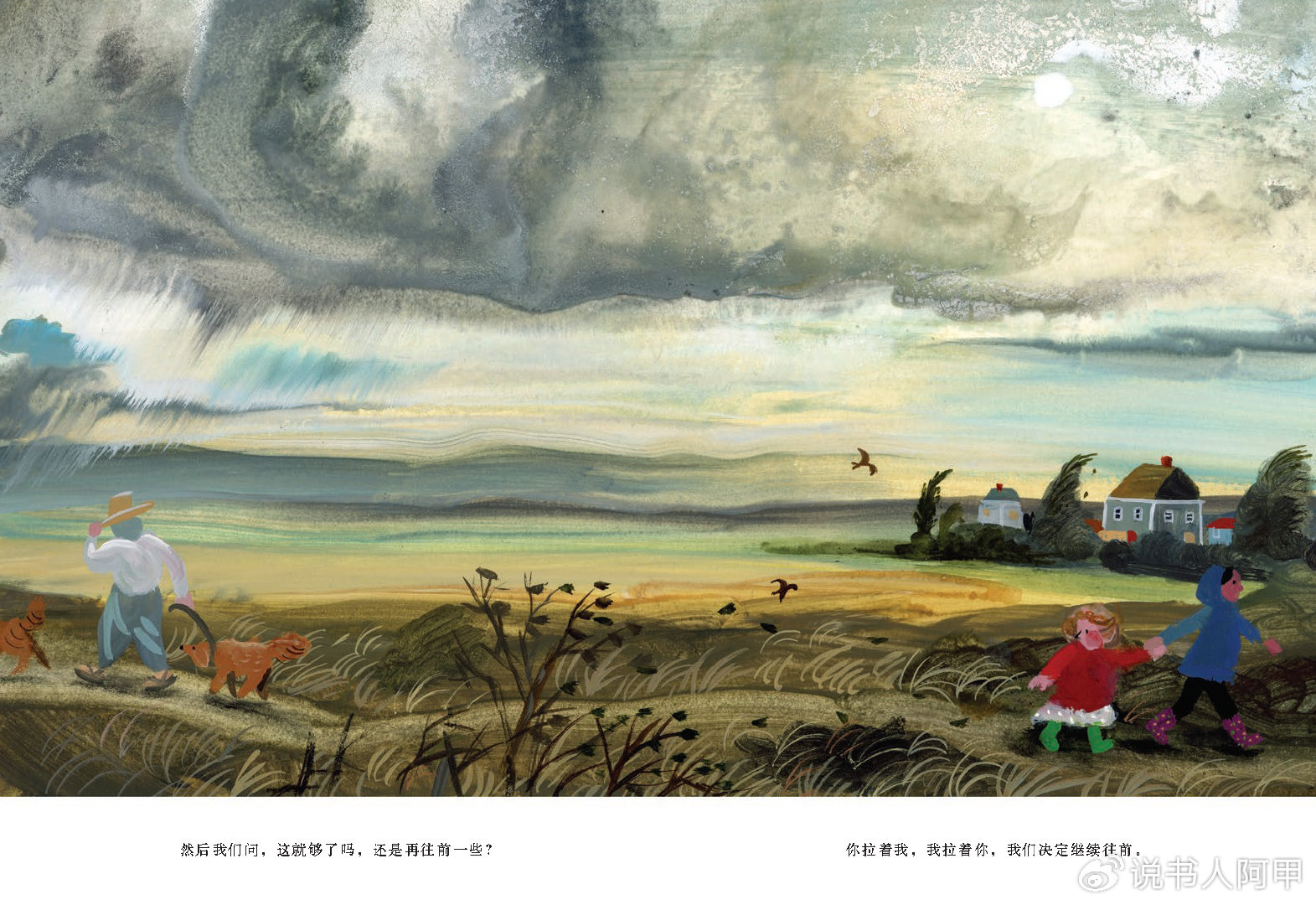
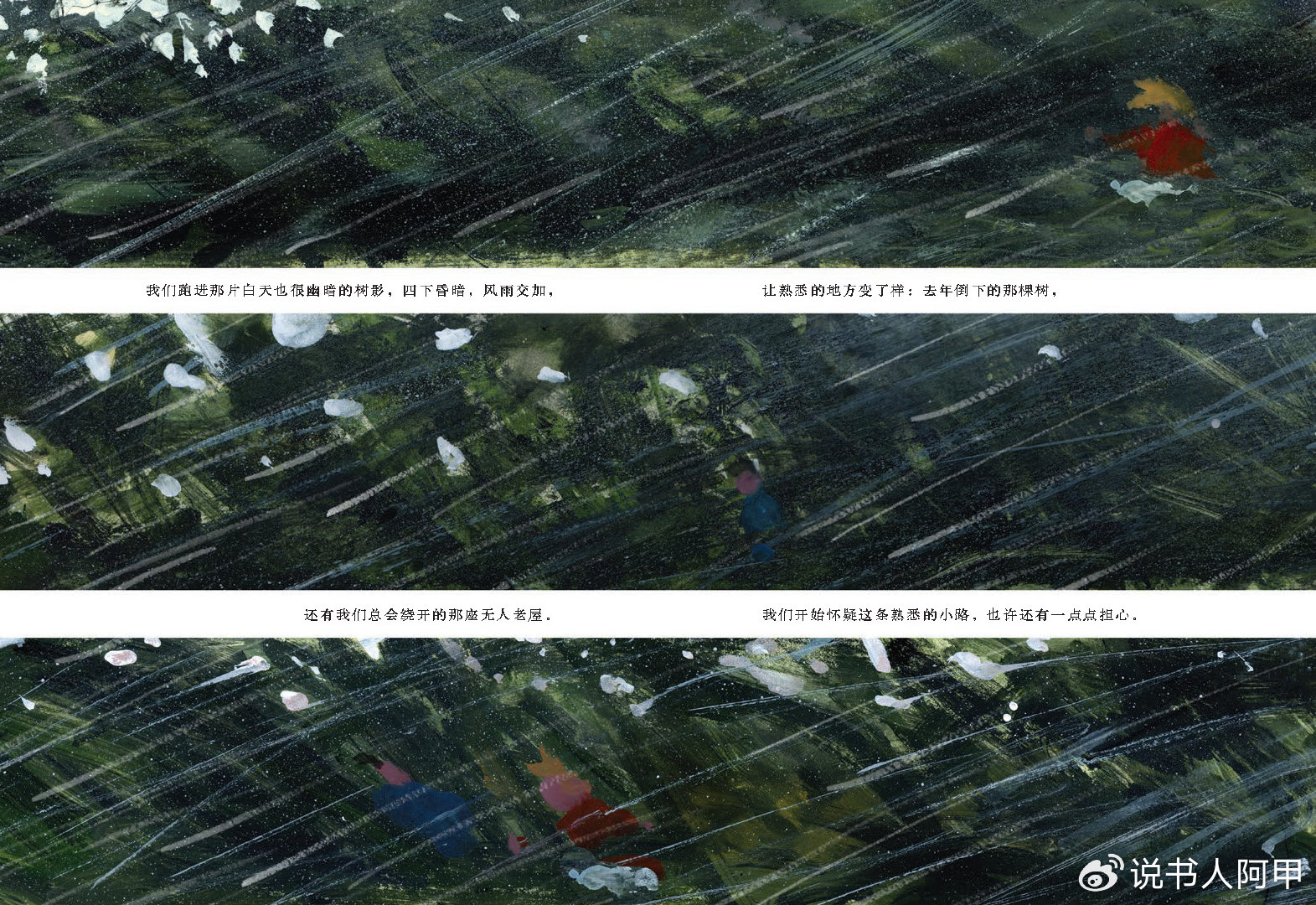
Color plays a crucial role in Smith’s illustrations. When a storm approaches, he uses deep, cool tones, with massive dark clouds shrouding the island, intensifying the tension and oppression. As the storm subsides, the colors brighten dramatically, revealing a clear, azure sky that contrasts sharply with the previous somber hues. This shift in color tone, like a change in key in music, allows the viewer to visually experience a storm followed by a peaceful, bright dawn, greatly enhancing emotional resonance.
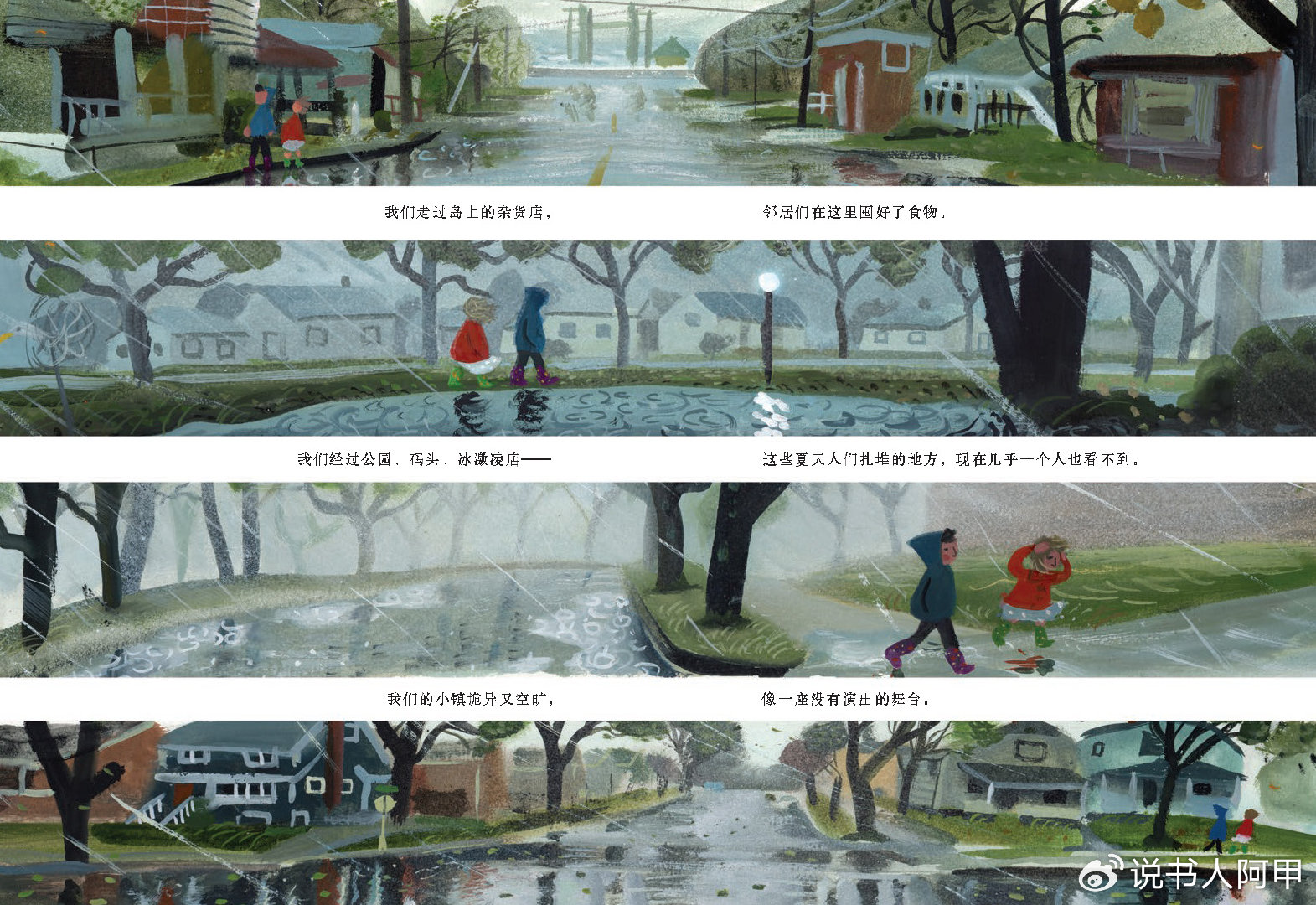
The layout and composition of the pages primarily guide the narrative rhythm. Smith extensively uses a “cinematic montage” style, interspersing text with multiple horizontal illustrations, significantly “accelerating the story’s pace,” making the reader feel as if they are running alongside the siblings. In passages requiring the reader to linger or to convey a grand atmosphere, he tends to use large-scale compositions occupying a full page, such as a distant view of the coast before a storm or a vast sky after a storm, to create a broad and expansive atmosphere. This flexible and varied composition—sometimes close-ups, sometimes distant views, sometimes sequential, sometimes full-page—precisely controls the visual rhythm of the narrative, complementing the text content.
A golden duo who appreciate each other
This beautifully illustrated work garnered widespread professional acclaim upon publication, receiving high praise from almost all mainstream American media outlets. Critics generally lauded the “musicality,” “emotional power,” and “vivid wordplay” of Floca’s text, believing it could “evoke both fear and comfort.” Smith’s illustrations were praised for “conveying the terrifying power of a storm and how light changes throughout the day”… But initially, I was somewhat puzzled: why would Floca, an illustrator with exceptional skills and a Caldecott Medal, need another illustrator’s help? It turns out there’s an interesting creative process behind it.
In fact, Brian Floca conceived and completed this story during his artist-in-residence program on Peaks Island, Maine, drawing inspiration from real storm scenes there. Born in Texas in 1969, he does have a younger sister, but the siblings, growing up inland, never had the adventure of going out to sea together before a storm. Floca stated that what he wanted to present in this book was an experience “almost every child might have”: when the wind and clouds gather, children can’t help but go outside to feel the power of nature up close—this is a collective childhood memory he wanted to capture and convey.
Interestingly, although Floca conceived and completed the story text, he struggled to find a suitable illustration style to present it, and the manuscript was thus shelved. Then one day, Floca’s friend Smith visited; the two had long admired each other’s work. Floca suddenly realized that Smith might be able to illustrate the project. The several representative works by Smith that we mentioned earlier all seem to use an impressionistic style to present a certain memory—Smith’s own, others’, or a collective memory of everyone’s childhood. In terms of recreating “memory” through picture books, it’s probably hard to find an illustrator more suitable than Smith in the world!
This golden duo hit it off immediately—Smith wanted to participate in the creation as soon as he read the manuscript. And let’s not forget that behind Smith was a magician-like mentor, the editor Neil Porter (who also edited two other Caldecott Medal winners, *Amos’s Sick Day* and *Watercress*)! The two creators and their editor were highly aligned in their creative philosophy, “without conflict,” and shared the hope of celebrating “the magnificent power of nature and the power of mutual care in the face of adversity” through this book.
As Smith said, no matter what happens, “we will be okay because we have each other,” which is also the core message that The Tempest on the Island wants to convey.
Indeed, growth is an adventure, and so are creation and reading. This outstanding picture book, through poetic text and vibrant illustrations, composes a concerto about nature, courage, and love, offering children a rare and thrilling reading experience. It allows them to feel intense emotions in a safe environment and learn courage, tolerance, and love. It also reminds us that no matter how great the storms in life, as long as we are accompanied by love and support each other, we can eventually reach a safe harbor filled with love and forgiveness.
Come on, let’s hold hands and go see the sea together before the storm comes!
Written by A‑Jia on July 3, 2025 in Beijing