


⚰️ 1999 — Leo Lionni (1910–1999) died
Dutch-American illustrator and author, born in Amsterdam, Netherlands, and died in Tuscany, Italy. Lionni is considered one of the most influential picture book artists of the 20th century, known for his modernist collage aesthetic and philosophical, allegorical children’s picture books.
🎨 The origins of avant-garde art and collage aesthetics
Lionni was educated in Italy and received his doctorate in economics from the University of Genoa in 1935. After moving to the United States, he worked for Fortune.Fortune) magazine art director. Influenced by Futurism and the Bauhaus movement, he introduced collage art into children’s picture books.
His first book, Little Blue and Little Yellow (Little Blue and Little Yellow(1959) originated from an impromptu paper-cut story he created to entertain his grandchildren on a train. This book, which uses color and form instead of characters, pioneered the “abstract narrative picture book.” Lionni advocated that children’s literature should “evoke wonder rather than preach” and opposed the reduction of picture books to educational tools.
🐭🐟 A social allegory of tiny lives
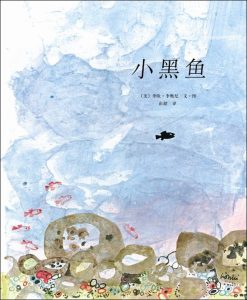
- Little Black FishSwimmy, 1963) — It tells the story of a brave black fish who unites with his friends to resist natural enemies. It symbolizes the power of individual differences and collective action and won the 1964 Caldecott Medal.
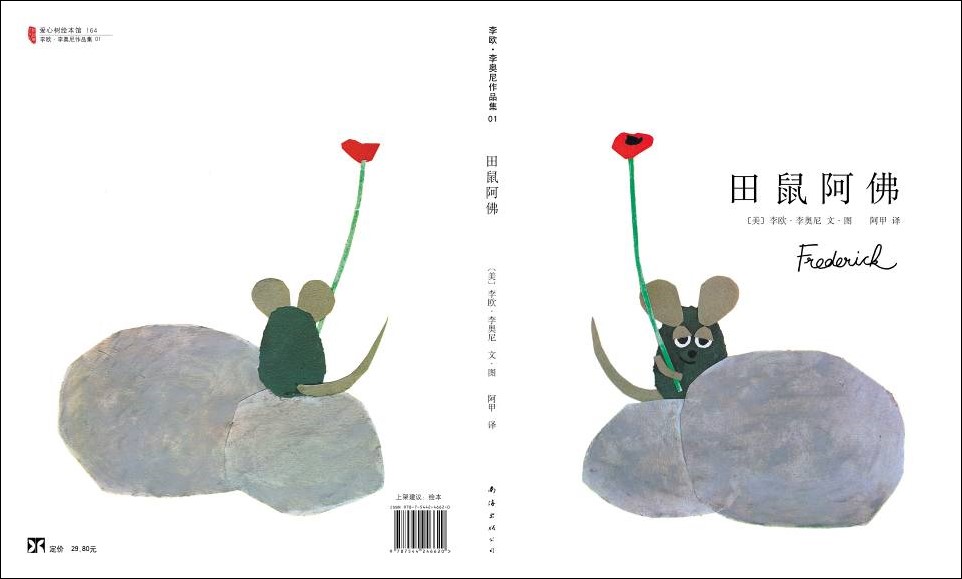
- Alfred the Field MouseFrederick, 1967) — A field mouse that collects sunshine and poetry, and uses art to heal the hunger and cold of winter, won the 1968 Caldecott Medal and became a classic fable praising “spirit and creativity”.
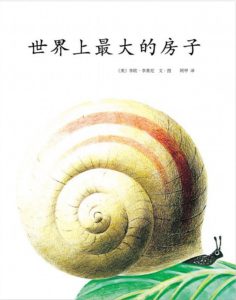
- The World’s Largest HouseThe Biggest House in the World, 1968) — Exploring the philosophy of desire and restraint, continuing his consistent social reflection.
Lionni’s works have won four Caldecott Medals (1960, 1964, 1968, and 1969) and the Golden Apple Award at the Bratislava Illustration Biennial (BIB) in 1967. His work blends modern art with social allegory, inspiring readers to reflect on the meaning of independence, community, and creativity.
2001 — Beni Montresor (1926–2001) dies
Italian illustrator and stage designer, who died in Verona. Known for his intense dramatic color and visual composition, he was hailed as “the artist who brought the opera stage to picture books.”
🎭 Picture book language for stage designers
Montresor has been engaged in stage and costume design for a long time. He has collaborated with directors such as Fellini and De Sica, and designed sets for the Metropolitan Opera in New York.
His illustrations use stage-like “blocking” and lighting contrast, with bold colors and full of dramatic tension.
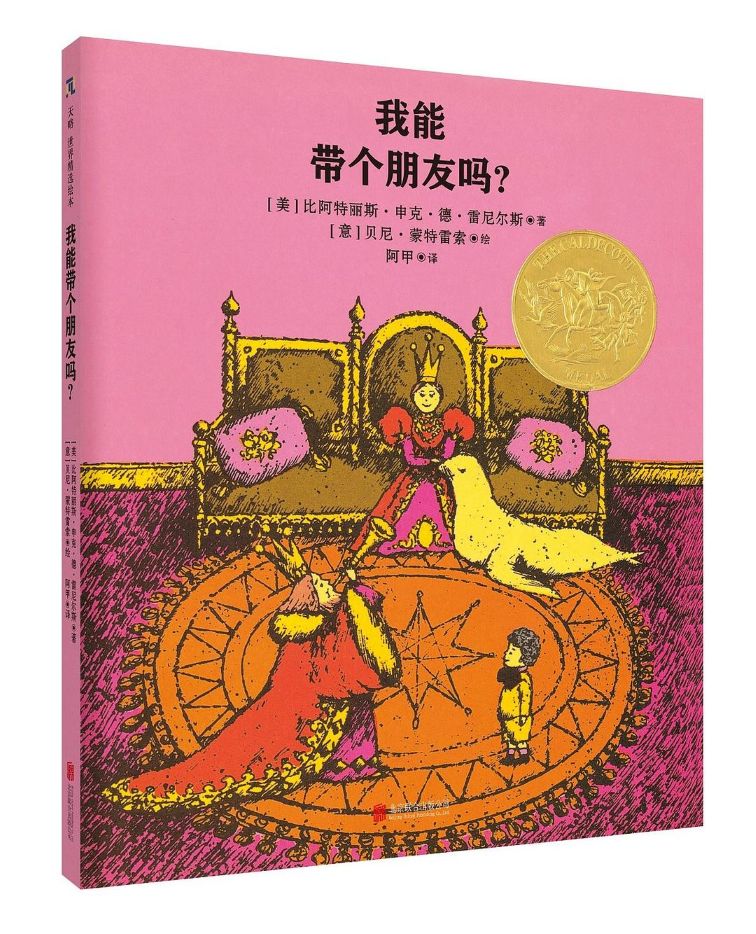
📘 “Can I bring a friend?” (May I Bring a Friend?, 1964)
This nursery rhyme-style story depicts a boy and his animal friends visiting the king, presenting a humorous and subversive take on the court order. The book won the 1965 Caldecott Medal.
Through the contrast of color and composition, Montresor allows the “royal order” and the “animal carnival” to conflict and merge on the page, expressing the liberating power of freedom and imagination on authority.
👉 Beni Montresor — Wikipedia
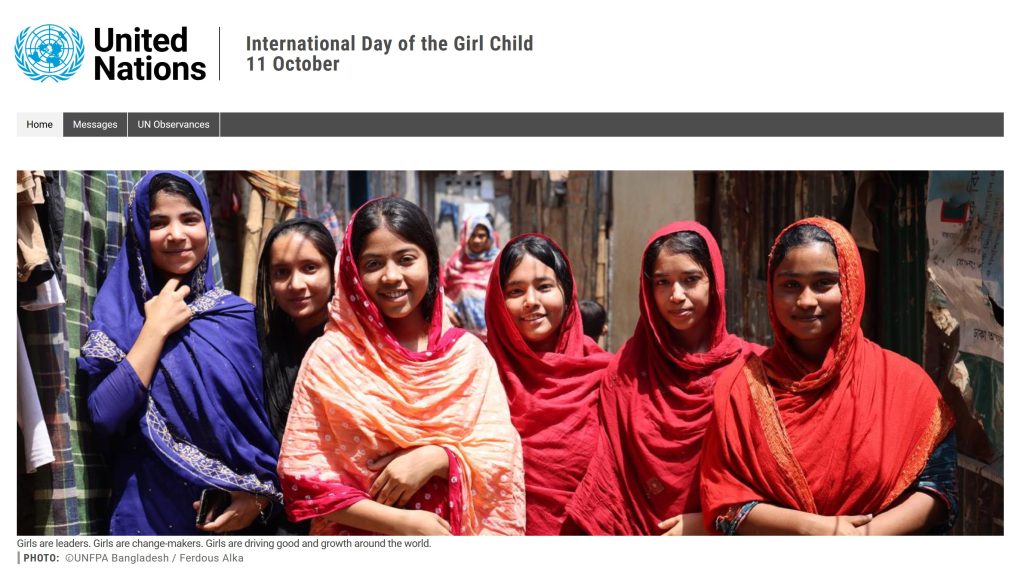
🌍 October 11th – International Day of the Girl Child
The United Nations officially established the International Day of the Girl Child (October 11th of each year) in 2011 to promote girls’ right to education, leadership and equal opportunities around the world.
The 2024 theme emphasizes: “Girls are leaders. Girls are change-makers. Girls are driving good and growth around the world. It encourages the reading of children’s books on girls, such as the “Girl Power” series, to promote gender equality education. It promotes female empowerment narratives in children’s literature around the world.
Recommended reading:
- I Am MalalaI Am Malala, Young Readers Edition)
- Girl PowerGood Night Stories for Rebel Girls)